
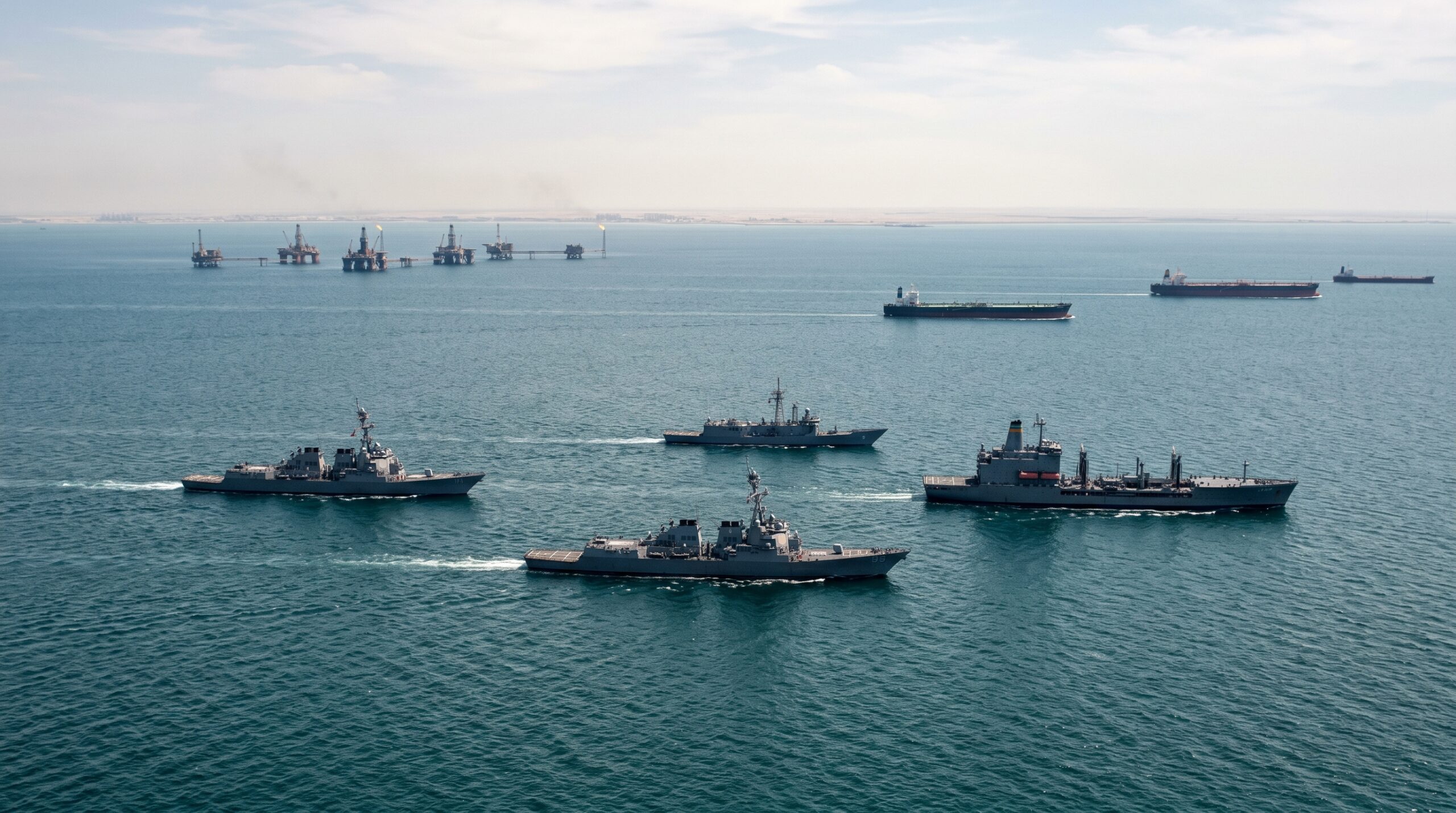
The White House announced a dramatic reversal Thursday afternoon, abandoning plans for military strikes against Iran and a potential seizure of the nation’s critical oil infrastructure after diplomatic negotiations reportedly reached a breakthrough with Iranian leadership.
The president had earlier threatened to launch strikes against Iran on Thursday evening and suggested American forces might attempt to capture Kharg Island, a strategic oil terminal in the Persian Gulf. He also indicated plans to assume control of Iranian energy markets. However, these threats disappeared within hours as the administration cited progress in diplomatic channels.
According to a presidential statement on social media, discussions have reached the highest levels of Iranian government and received approval from all involved parties. The president indicated that both conceptual frameworks and specific details had been agreed upon, though the exact nature of these agreements remains undisclosed. He stated that the location and timing of a formal signing ceremony would be announced soon.
The naval blockade of the Strait of Hormuz will continue until any agreement is finalized, according to the administration.
This week’s escalation followed an incident in which Iranian forces downed an American Apache helicopter over the Strait of Hormuz. While the pilots survived, the U.S. military responded by targeting Iranian air defense and surveillance facilities. Iran subsequently conducted strikes against American installations in Bahrain and Jordan.
Congressional Republicans largely supported the administration’s stance. House Speaker Mike Johnson characterized the potential military response as proportional to Iranian provocations, particularly citing the helicopter incident. He emphasized that Congress should provide the executive branch with operational flexibility approximately 100 days into the current tensions.
Senator Josh Hawley from Missouri suggested that some presidential statements might be rhetorical tactics aimed at Iran rather than concrete military plans. He acknowledged that ground operations remain a possibility but offered no position on congressional authorization requirements.
Democratic lawmakers expressed strong concerns about renewed military engagement. Senator Jack Reed, the ranking Democrat on the Armed Services Committee, described any operation to capture Kharg Island as extremely challenging and requiring congressional approval. Senator Elissa Slotkin of Michigan warned about the difficulties of military extraction from such an operation, noting the strategic importance of the oil facility.
Senator Chris Murphy of Connecticut argued that Congress should delay consideration of the National Defense Authorization Act until lawmakers debate and vote on Iran war authorization. He characterized the defense bill as war funding legislation.
The House has already passed a resolution demanding cessation of hostilities against Iran. This measure awaits Senate consideration. Questions persist about whether the administration would comply with such a congressional directive if enacted.
The legal framework for military action remains contentious. The War Powers Resolution requires congressional authorization for military operations extending beyond 60 days. The administration had previously declared the conflict that began in March as terminated before reaching this deadline. It remains unclear whether new military action would reset this timeline or require fresh congressional approval.
Senator Roger Wicker, who chairs the Armed Services Committee, declined to comment on the situation when approached by reporters outside the Senate chamber.
Leave a Reply