
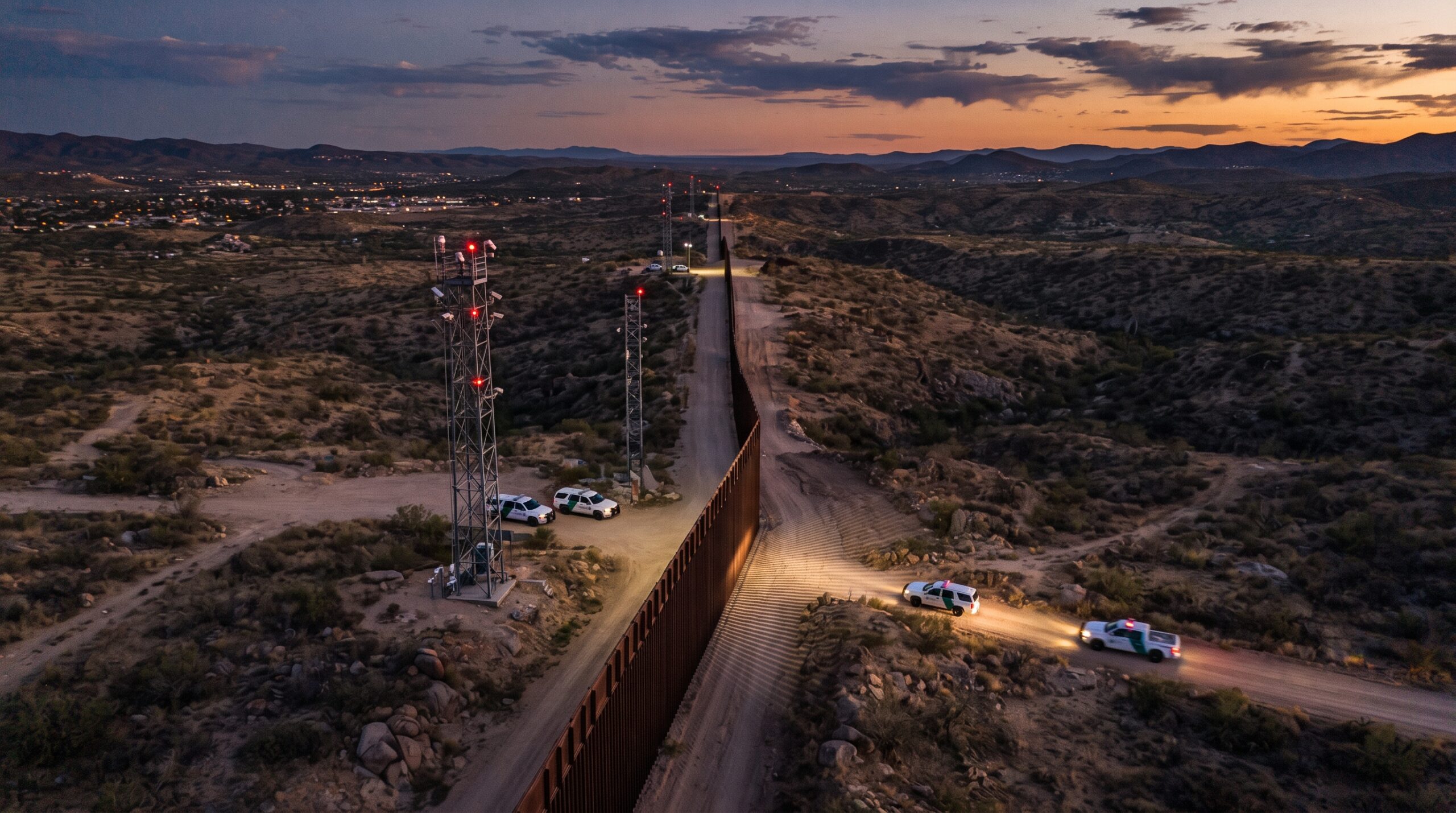
A recent television series set along the US-Mexico border has sparked discussions about its portrayal of contemporary criminal enterprises, revealing both accurate depictions and significant misrepresentations of how organized crime actually operates in the region.
The show’s narrative centers on drug trafficking, particularly fentanyl smuggling, while also exploring firearms trafficking, money laundering, and the intersection of digital platforms with criminal activities. While some elements reflect genuine criminal methodologies, others oversimplify or mischaracterize the complex realities of transnational crime.
One of the most significant inaccuracies involves the portrayal of drug couriers as major players within criminal organizations. The series depicts a protagonist working as an independent courier with direct access to leadership figures. In reality, human transporters occupy the lowest rungs of sophisticated criminal hierarchies. These individuals are highly expendable and operate within compartmentalized networks specifically designed to prevent low-level operators from accessing organizational leadership.
Women frequently serve as couriers because they typically attract less suspicion from authorities. This has contributed to a dramatic increase in female incarceration rates across Latin America, with drug-related offenses being the primary cause. The series does accurately depict the dangerous practice of body packing, where individuals swallow wrapped drug pellets for transportation. Recent enforcement actions have uncovered increasingly extreme smuggling methods, including drugs concealed within surgical implants.
Regarding fentanyl trafficking patterns, the show incorrectly suggests that the synthetic opioid exclusively targets American markets. While the United States remains the primary destination due to its prescription opioid crisis creating unique demand conditions, both Canada and Mexico have experienced growing domestic markets for fentanyl and its precursor chemicals. These substances primarily originate from China and other Asian nations, creating a complex international supply chain.
The depiction of firearms trafficking from the United States to Mexico represents one of the more accurate elements. Mexican authorities trace approximately 80 percent of weapons recovered in their country to American buyers and distributors. With only one legal gun store in Mexico, located on a military base in Mexico City, criminal organizations rely heavily on weapons sourced from the United States to fuel ongoing violence.
The series also correctly portrays strip clubs as common fronts for money laundering operations. These cash-intensive businesses provide ideal venues for commingling legitimate revenue with proceeds from various criminal enterprises including drug trafficking, arms dealing, and human trafficking. The difficulty in verifying real-time accounting in such establishments makes them particularly attractive for financial crimes.
Perhaps most prescient is the show’s exploration of how organized crime intersects with digital platforms and social media. Criminal syndicates increasingly exploit subscription-based content platforms for prostitution, sexual exploitation, and recruitment schemes. These platforms’ subscription paywalls and high volumes of decentralized transactions create opportunities for laundering illicit funds while obscuring payment origins.
Criminal networks employ sophisticated online tactics including fake job advertisements and social media coercion to entrap vulnerable individuals, particularly migrants. The digital creator economy has emerged as an attractive vehicle for money laundering, with some criminal organizations leveraging influencers’ high cash flows and lifestyle visibility to disguise illicit fund origins.
While entertainment media can raise awareness about criminal dynamics, this series demonstrates the importance of distinguishing dramatic fiction from operational realities. The oversimplification of courier roles, the misrepresentation of fentanyl distribution patterns, and the romanticization of criminal hierarchies risk creating misconceptions about how transnational crime actually functions.
The accurate elements regarding firearms trafficking, money laundering through cash businesses, and criminal exploitation of digital platforms reflect genuine challenges facing law enforcement. Understanding these distinctions remains crucial for public awareness and policy discussions about combating organized crime along international borders.
Leave a Reply