
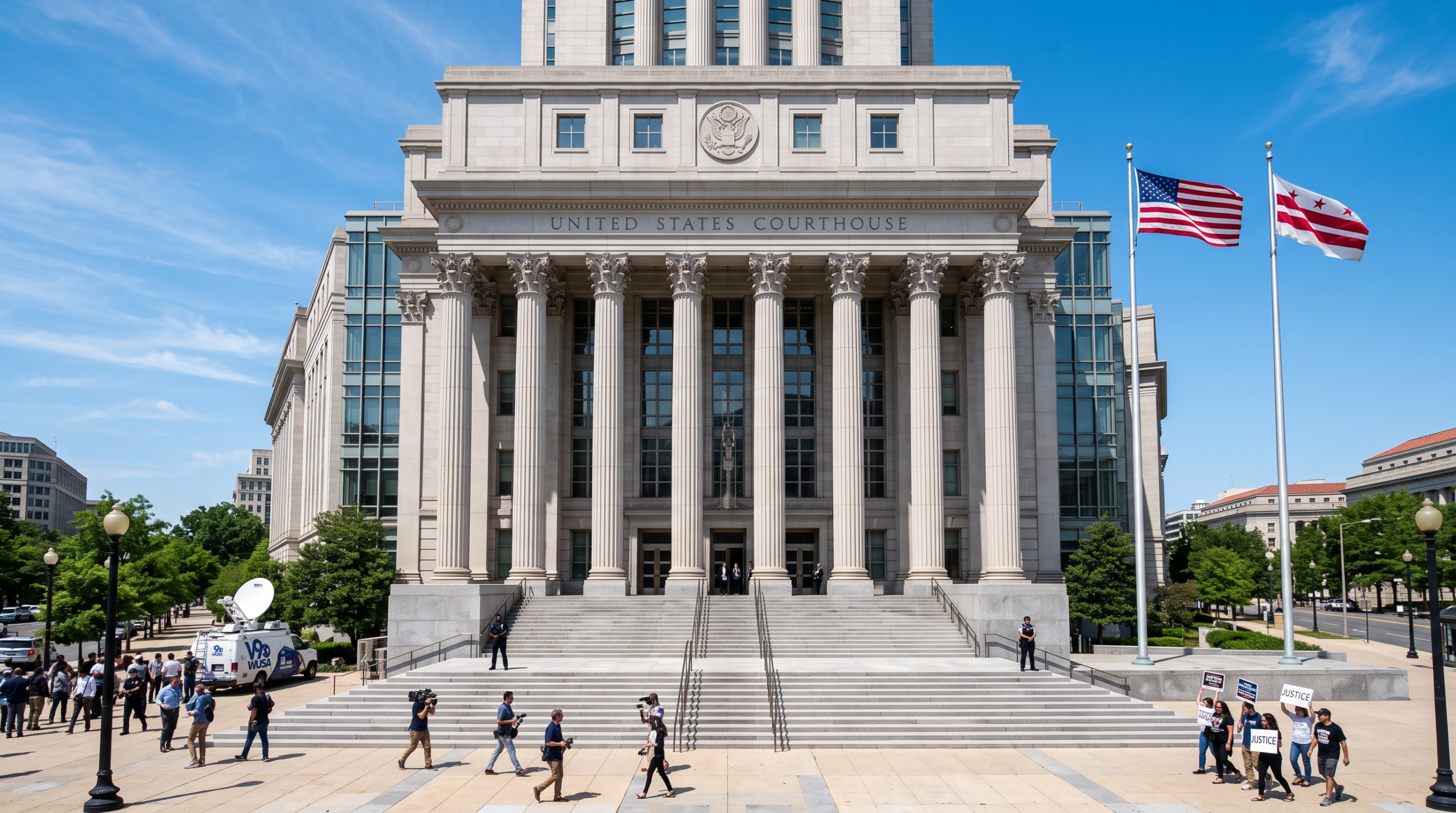
A federal appeals court has rejected Florida’s constitutional challenge to the system that determines which colleges and universities can receive federal student aid funding. The unanimous decision from a three-judge panel affirms that the current accreditation framework, which relies on private agencies to evaluate educational institutions, operates within constitutional boundaries.
The case centered on Florida’s argument that the Higher Education Act improperly delegates government authority to private accrediting organizations. Under current federal law, colleges and universities must obtain accreditation from recognized agencies for their students to qualify for federal financial assistance programs. Florida officials contended this arrangement effectively allows private entities to control access to billions of dollars in federal education funding.
The state’s lawsuit raised several constitutional concerns, including alleged violations of the spending clause, appointments clause, and private nondelegation doctrine. Florida argued that accreditors wield excessive power with minimal federal oversight, essentially acting as gatekeepers to crucial funding streams.
Circuit Judge Andrew Brasher, writing for the panel, dismissed these arguments, stating that the accreditation requirement represents a reasonable condition for federal funding. The judge emphasized that this system clearly connects to Congressional objectives of directing federal aid toward quality educational institutions. The opinion noted that private accreditation has been a cornerstone of federal education funding since the 1952 G.I. Bill.
The court firmly rejected Florida’s assertion that accreditors function as government actors when evaluating institutional quality. The panel pointed to extensive legal precedent establishing that these agencies do not exercise governmental authority, whether in legislative rule-making or executive decision-making capacities.
According to the ruling, accrediting agencies derive their authority not from federal delegation but from voluntary participation by member institutions that choose to submit to their standards and bylaws. The Department of Education has never transferred its power to terminate federal funding to these private organizations.
The decision drew parallels to other sectors where states commonly rely on private organizations to determine professional qualifications, such as in healthcare and engineering licensing. Courts have consistently found that accreditors in these contexts do not constitute state actors.
This ruling represents a significant setback for Governor Ron DeSantis’s efforts to reshape higher education oversight in Florida. The governor has been vocal in his criticism of accrediting agencies, claiming they obstruct state education reforms. His administration has characterized the lawsuit as an attempt to eliminate what they view as unaccountable private control over public education funding.
The legal challenge emerged amid broader tensions between Florida and educational accreditors. In 2022, DeSantis signed legislation requiring the state’s 40 public colleges and universities to change accreditors every decade, allowing institutions to select from 61 recognized agencies.
This law followed disputes between state officials and the Southern Association of Colleges and Schools Commission on Colleges, which accredits all Florida public institutions. The agency had raised concerns about potential political interference at Florida State University and investigated the University of Florida after the institution prevented three professors from testifying in a voting rights case.
The panel’s decision, which included judges appointed by three different presidential administrations, upheld an earlier dismissal by a federal district court in Florida. The ruling reinforces the established framework for educational quality assurance that has governed federal student aid distribution for over seven decades.
Leave a Reply