
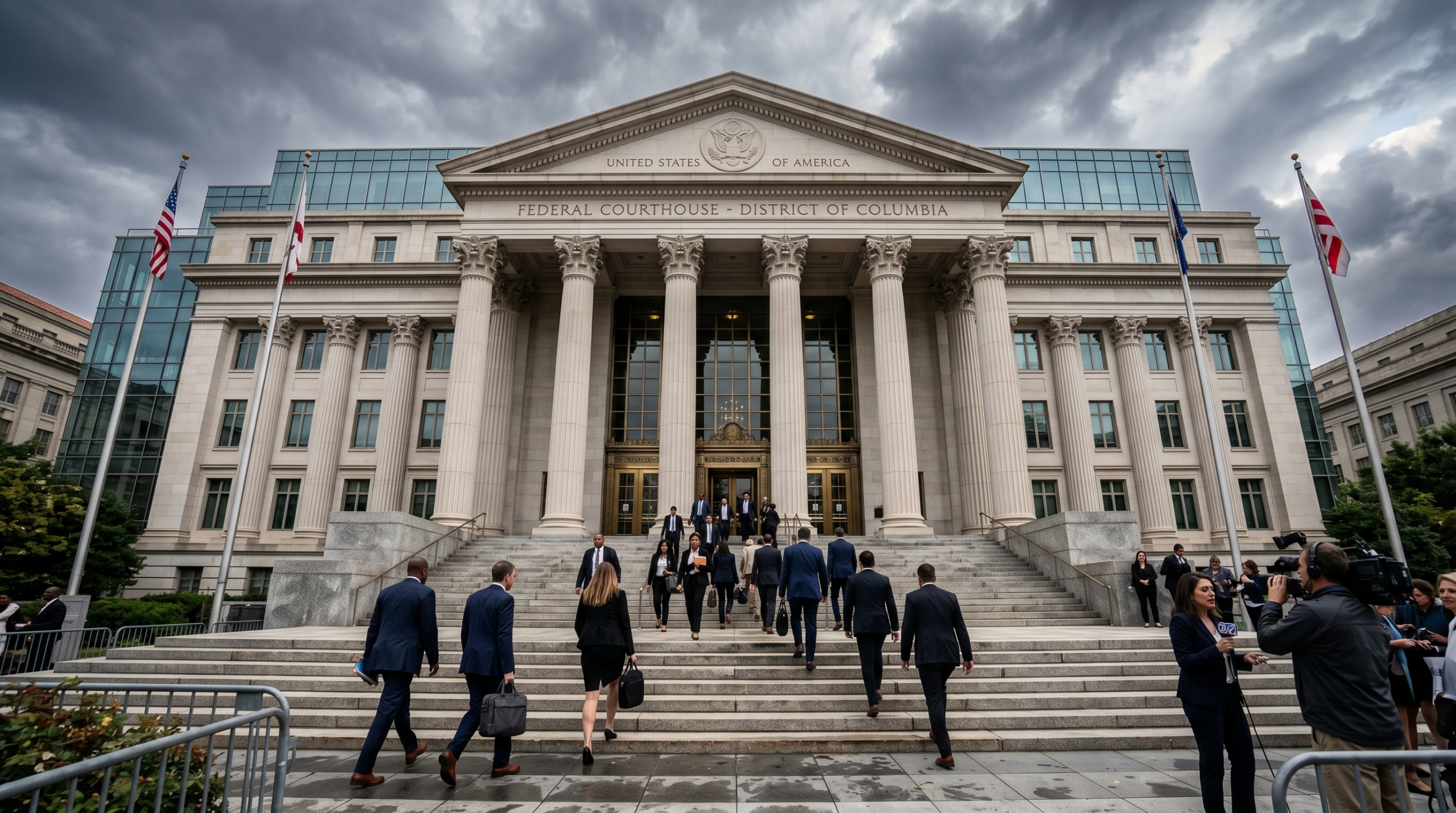
A technology industry trade association has launched a federal court challenge against Minnesota’s groundbreaking law requiring social media platforms to display government-mandated mental health warnings to all users.
NetChoice, representing major technology companies including Meta, Google, and TikTok, filed a 48-page complaint in Minnesota federal court on Wednesday. The organization argues that the state’s new statute violates constitutional free speech protections by forcing private companies to display government-prescribed messages.
The law, set to take effect July 1, mandates that social media platforms show warning labels about potential mental health impacts. Users must acknowledge these warnings each time they access a platform before being allowed to proceed. The statute also prohibits platforms from adding supplementary information that might obscure the state-mandated message.
Minnesota’s Department of Health has released extensive guidelines featuring multiple warning label options. These include statements such as “Warning: Social Media use may negatively impact your mental health” and “The app shows what gets clicks, not what is true.”
Paul Taske, co-director of the NetChoice Litigation Center, stated that Minnesota cannot impose conditions on the right to publish lawful speech. He emphasized that regardless of the medium—whether billboard, newspaper, or website—the government cannot compel publishers to disseminate its messaging.
The law emerged from growing concerns about social media’s impact on mental health, particularly among young people. Minnesota Governor Tim Walz signed the legislation last year, making Minnesota the first state to implement such comprehensive warning requirements.
State Representative Zack Stephenson, the law’s primary sponsor, has drawn parallels between current social media use and historical tobacco consumption. He suggested that future generations will view today’s unrestricted social media access similarly to how contemporary society views past acceptance of cigarette smoking in public spaces.
The trade association’s complaint highlights several concerns about the law’s scope and implementation. NetChoice argues that requiring a 70-year-old professor viewing cooking tutorials to click through the same warnings as a teenager represents an unreasonable one-size-fits-all approach. The organization also notes that users cannot permanently dismiss these warnings.
Additionally, the complaint points out that while the law targets social media platforms, it exempts similar interactive services including e-commerce sites, online gaming chats, and search engines. NetChoice characterizes this as discriminatory treatment of specific companies.
The legal challenge comes amid broader national debates about social media regulation and youth protection online. Former U.S. Surgeon General Vivek Murthy advocated for warning labels on social media platforms in 2024, citing research linking prolonged use to mental health issues, eating disorders, and body image problems among young users.
Erich Mische, CEO of Suicide Awareness Voices of Education, defended the law, stating that the lawsuit represents Big Tech’s efforts to defeat measures designed to protect children online. He argued that social media companies should be held accountable for potential harms their products may cause.
NetChoice is simultaneously pursuing similar legal challenges in other states, including South Carolina, Virginia, and Arkansas. The organization points to a favorable precedent from Colorado, where a court enjoined a comparable warning label requirement specifically targeting younger users with high usage patterns in 2025.
Under First Amendment jurisprudence, Minnesota must demonstrate that it has adopted the least restrictive means to achieve a compelling state interest. This constitutional standard presents a significant legal hurdle for the state to overcome in defending its law.
The Minnesota Attorney General’s Office has not yet responded to requests for comment regarding the lawsuit.
Leave a Reply