
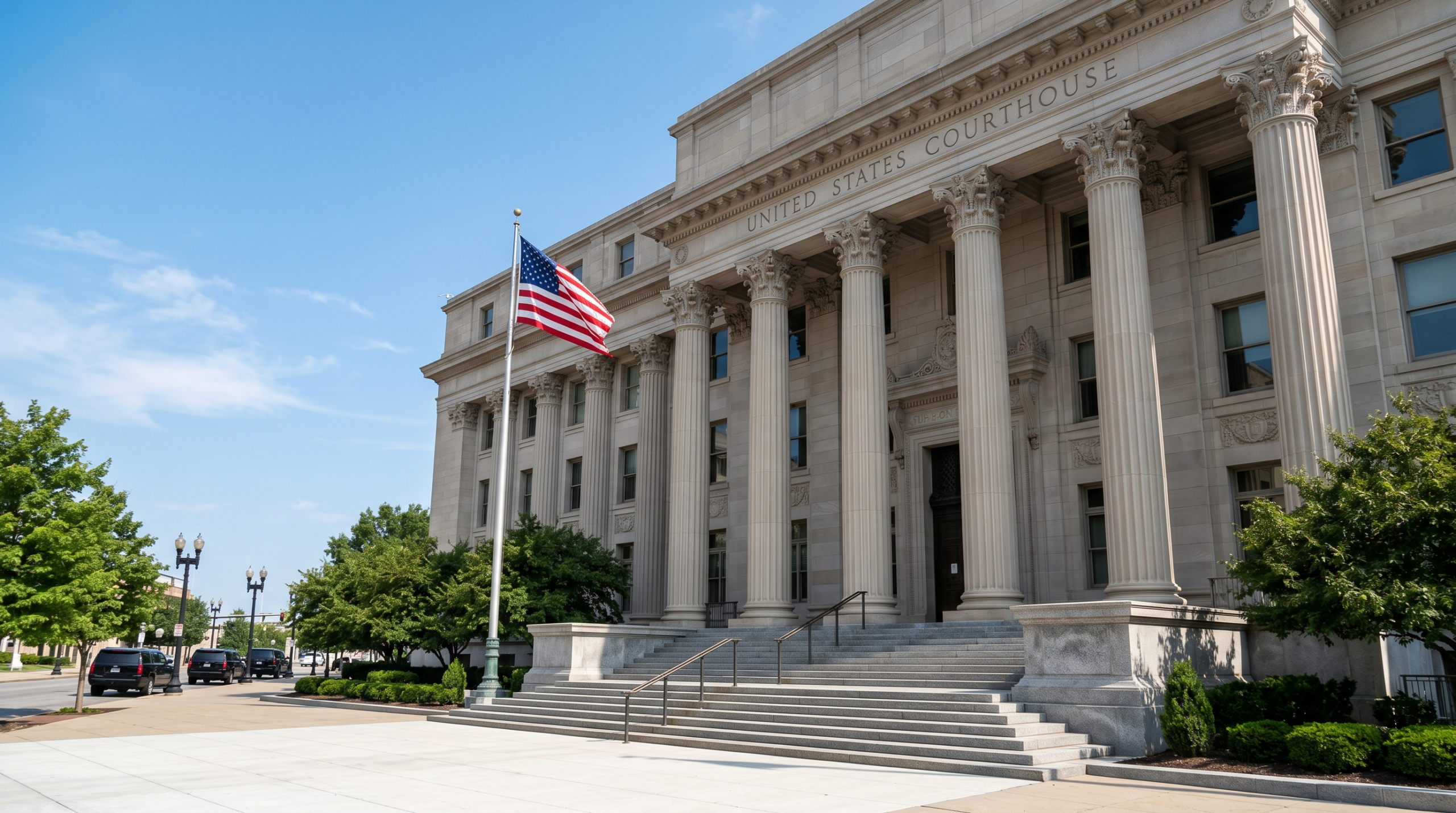
A former adjunct law professor has brought her case before the Third Circuit Court of Appeals, challenging the circumstances surrounding the end of her employment at Kean University and raising questions about First Amendment protections in academic settings.
The dispute centers on Cheryl Borowski, who taught law courses at the public institution until 2016. Her employment situation changed following an investigation into classroom comments she made during what she described as intentionally provocative teaching exercises designed to stimulate critical thinking and debate among students.
The university’s investigation focused on statements Borowski made while employing the Socratic method, a teaching technique that uses challenging questions to encourage deeper analysis. Among the topics discussed was a hypothetical scenario involving the legal implications of employment decisions affecting pregnant women and productivity comparisons between male and female employees.
Following its investigation, Kean University determined that Borowski’s classroom statements violated the New Jersey State Policy Prohibiting Discrimination in the Workplace, which governs conduct among state employees. The institution issued a formal reprimand, mandated sensitivity training, and chose not to renew her teaching contract.
After an unsuccessful administrative appeal, Borowski initiated legal proceedings in 2020 in New Jersey federal court. Her lawsuit argued that the state workplace policy was unconstitutionally vague and overly broad, infringing on First Amendment protections. The case has since moved through various stages of the federal court system.
In the most recent development before the appeal, Senior U.S. District Judge William J. Martini dismissed the case, ruling that Borowski lacked standing to pursue her claims since she was no longer employed by the university and therefore not subject to the policy in question.
During oral arguments before the Third Circuit panel, attorney Marc M. Susselman, representing Borowski, argued that his client maintains standing to seek declaratory relief. He contended that the employment action continues to affect her professional prospects, noting that she has applied for numerous teaching positions for which she is qualified as a licensed attorney but has been unsuccessful in securing employment.
The three-judge panel, consisting of Senior Circuit Judges Marjorie M. Rendell and Jane R. Roth, along with Chief Circuit Judge Michael A. Chagares, expressed skepticism about various aspects of Borowski’s arguments. Judge Rendell questioned whether Borowski could demonstrate specific instances where the university action was communicated to potential employers. Judge Roth suggested that unemployment might stem from other factors unrelated to the disciplinary action.
Janine S. Balekdjian, representing Kean University, defended the institution’s position, arguing that government employers have legitimate interests in regulating workplace conduct. She maintained that the state policy appropriately extends beyond basic antidiscrimination law requirements and that the university, not individual professors, holds the ultimate authority over classroom content and teaching methods.
The case raises fundamental questions about the scope of academic freedom, the application of workplace policies to educational settings, and the balance between institutional authority and individual expression rights. Borowski’s legal team argues that the policy’s broad language could potentially criminalize ordinary workplace interactions, while the university maintains that it has the authority to establish standards for its educational environment.
The Third Circuit’s eventual decision could have implications for how public educational institutions navigate the intersection of employment policies, academic freedom, and constitutional protections. The court must determine whether Borowski has standing to pursue her claims and, if so, whether the state workplace policy impermissibly restricts protected speech.
Leave a Reply