
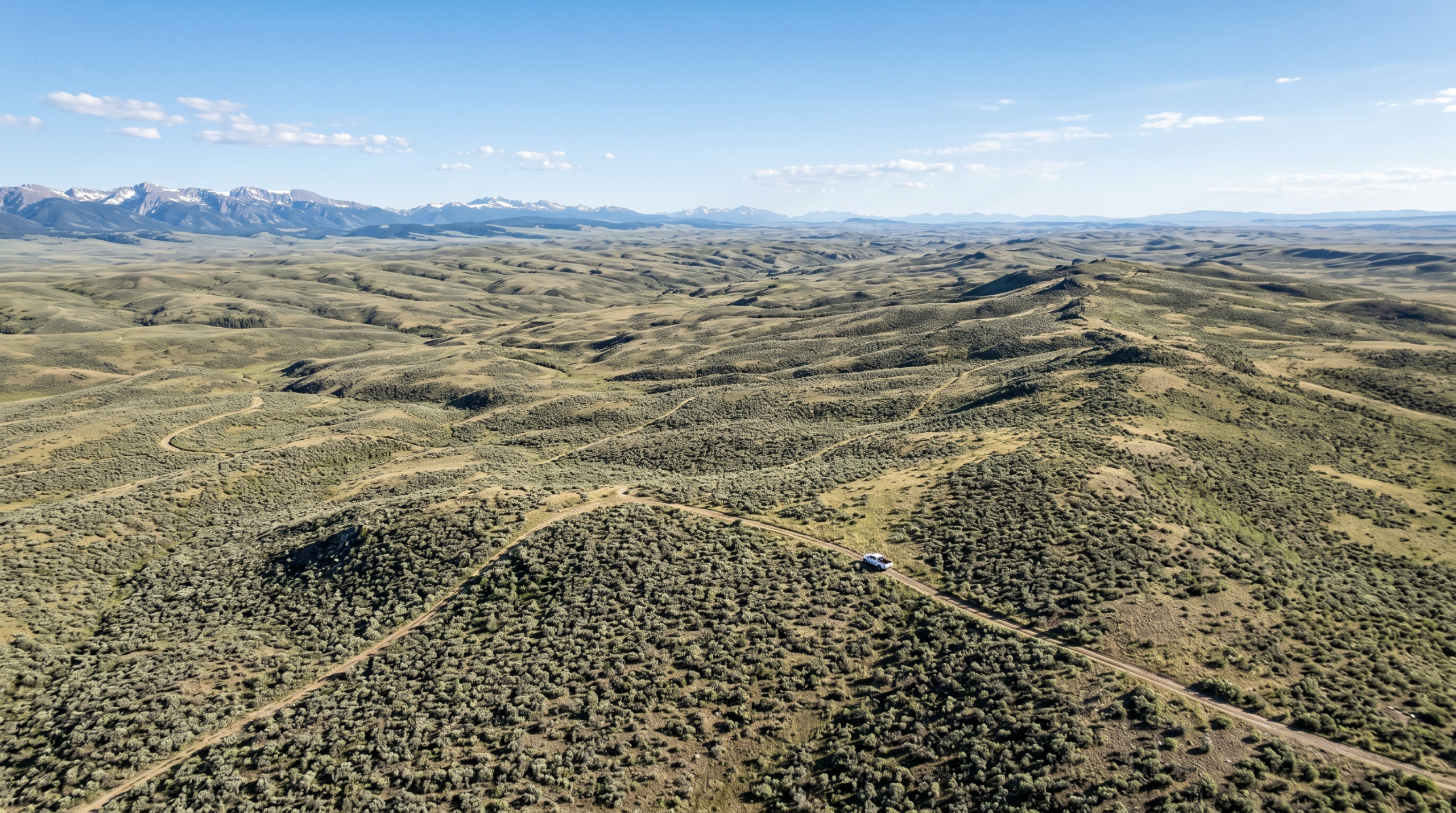
A contentious legal dispute over oil and gas leasing in areas designated as critical habitat for sage grouse continued in federal court on Wednesday, as conservation organizations pressed their case against government agencies and energy companies regarding leasing decisions that affect more than one million acres across Montana and Wyoming.
The coalition of environmental groups, including the Montana Wildlife Federation, The Wilderness Society, National Audubon Society, National Wildlife Federation, and Montana Audubon, maintains that the Bureau of Land Management failed to comply with federal land management requirements when approving six lease sales in the two western states.
At the heart of the dispute is the agency’s interpretation of regulations designed to protect the greater sage grouse, a bird species native to the western United States and Canada that has experienced significant population decline over recent decades due to habitat loss. The conservation groups contend that the bureau violated the Federal Land Policy Management Act by not taking adequate steps to direct oil and gas development away from crucial wildlife habitat.
Sharmeen Morrison, representing the environmental coalition through Earthjustice, argued that the bureau had reduced itself to a passive administrator in the leasing process, failing to provide proper guidance that would protect sage grouse habitat from development. According to Morrison, in five of the contested lease sales, the agency approved nearly every parcel nominated by energy companies without sufficient consideration of potential impacts on the birds and their environment.
The current litigation represents the latest chapter in a seven-year legal battle that began when conservation groups first challenged policy changes implemented during the previous presidential administration. These changes modified protections that had been established in 2015 when the Bureau of Land Management amended its land use management plans to support the recovery of sage grouse populations. The 2018 revisions altered resource constraints and public comment procedures, which environmental advocates argue weakened habitat protections.
Federal attorneys defending the agency’s decisions argued that the Bureau of Land Management had fulfilled its obligations by reviewing each parcel for potential environmental impacts and removing areas where development could significantly harm sage grouse populations. Luther Hajek from the Department of Justice stated that the agency must retain discretion in interpreting its own management plans and determining compliance measures. He also noted that at the leasing stage, the bureau cannot predict which parcels will ultimately be developed or forecast all potential environmental consequences.
The case has drawn intervention from multiple oil and gas companies as well as the state of Wyoming, all arguing against vacating the leases. The companies contend that the conservation groups delayed too long in challenging decisions made in 2019 and 2020, resulting in substantial investments by energy firms. Western Energy Alliance’s attorney, Malinda Morain, emphasized that any remedy should involve remanding the decisions rather than vacating them, citing both economic and environmental disruptions that could result from lease cancellation.
Wyoming officials expressed concern about the financial implications of potential lease cancellation, with Shannon Leininger from the state attorney general’s office noting that over $50 million in revenue had already been collected and allocated for public use. The federal government similarly warned that vacating the leases would require returning more than $109 million in bonus bids and filing fees.
The Ninth Circuit Court of Appeals has already weighed in on various aspects of this long-running case, with ten separate appeals filed over the years. Most recently, the appellate court ruled that the Bureau of Land Management had violated its own protection plans for sage grouse and upheld a lower court’s decision to vacate a Wyoming lease sale.
Michael Freeman, another Earthjustice attorney, countered arguments about economic disruption by asserting that the scale of potential impacts reflects the severity of the legal violations and the extent of harm to sage grouse habitat. The conservation groups maintain that the court should prioritize environmental protection over economic considerations, particularly given the documented decline of sage grouse populations.
U.S. District Judge Brian Morris, who presided over Wednesday’s arguments, indicated he aims to issue a decision before the month’s end. The judge previously denied the Bureau of Land Management’s attempt to voluntarily remand its decisions on the contested lease sales, suggesting the court’s intention to fully address the legal questions at stake.
Leave a Reply