
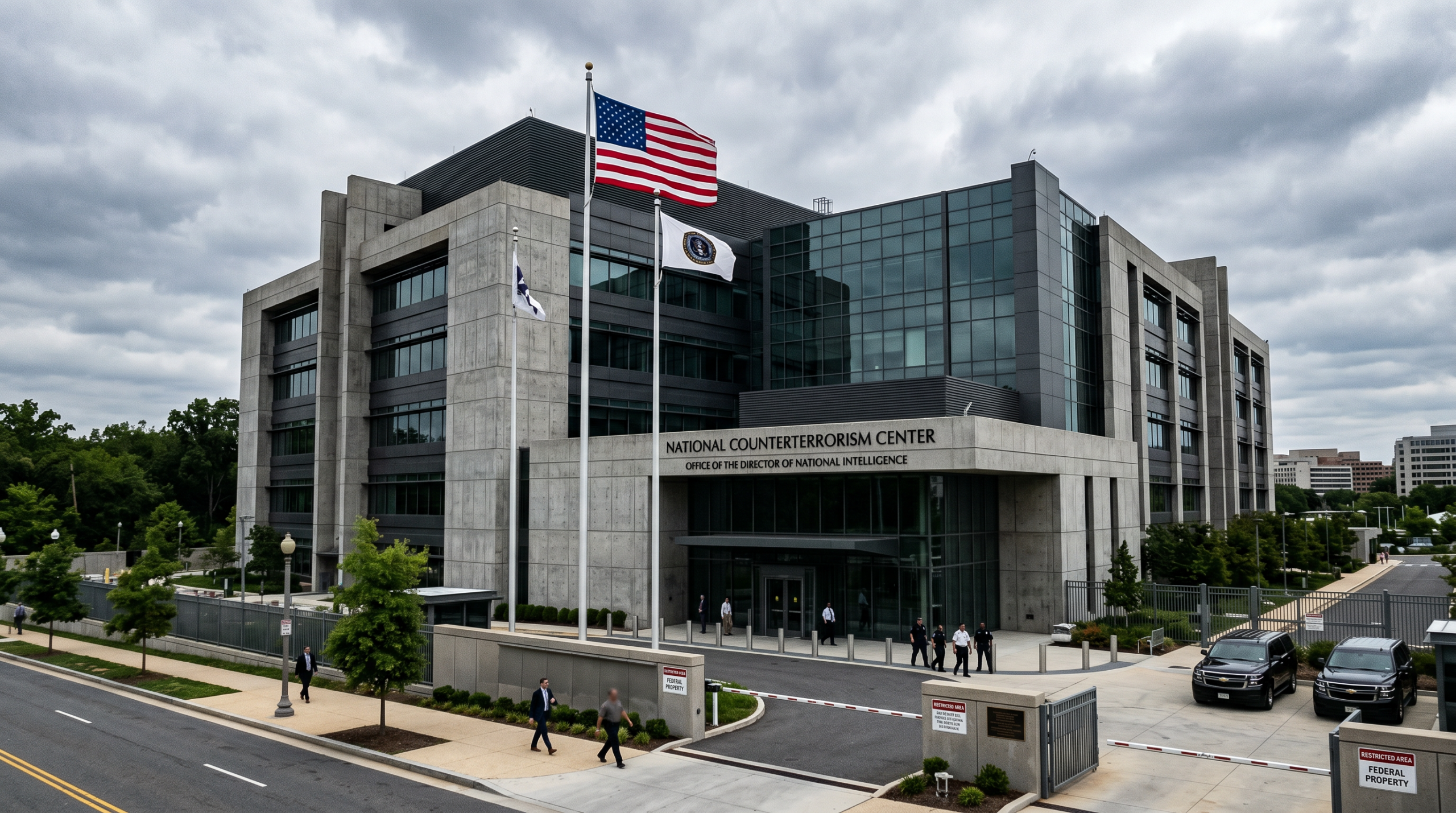
The Director of National Intelligence announced Friday that she will resign from her position next month, concluding a year-long tenure overseeing the nation’s intelligence agencies. The official cited her husband Abraham’s recent diagnosis with a rare form of bone cancer as the primary reason for her departure.
In a formal letter submitted to the President on Friday and subsequently shared on social media platforms, the intelligence chief expressed gratitude for presidential support while explaining the personal circumstances necessitating her resignation. She indicated that her husband faces significant medical challenges in the coming weeks and months, requiring her full attention and support.
“At this time, I must step away from public service to be by his side and fully support him through this battle,” she stated in her resignation letter.
The departing official’s last day in office will be June 30, with Aaron Lukas, currently serving as principal deputy director of national intelligence, set to assume the role in an acting capacity. The President acknowledged the resignation in a statement on his social media platform, praising her performance and extending well wishes to her and her husband.
During her tenure as intelligence chief, the official claimed to have made substantial progress in promoting transparency and restoring integrity within the intelligence community. She committed to ensuring a seamless transition over the coming weeks to maintain continuity in leadership and operational momentum.
The resignation comes amid reports suggesting the intelligence director had become increasingly marginalized in administrative discussions regarding military engagement abroad, particularly concerning the ongoing conflict in Iran. Sources indicated she was excluded from key deliberations about the Iran situation, with the President publicly acknowledging differences in their approaches to issues including Tehran’s nuclear program.
The official, a combat veteran and former Hawaii congresswoman, had previously served in the Democratic Party before switching political allegiances and endorsing the current administration in 2024. She had previously competed in the 2020 Democratic presidential primary.
Throughout her career, she maintained anti-interventionist foreign policy positions that occasionally conflicted with administration approaches. She faced scrutiny for statements regarding the Ukraine conflict and a 2017 meeting with former Syrian President Bashar al-Assad.
During her nomination process, she pledged to address what she characterized as systemic failures and politicization within intelligence agencies. However, she encountered resistance from senators concerning her previous statements on Syria and Ukraine, as well as her position on Edward Snowden, the National Security Administration whistleblower who disclosed government surveillance programs. When questioned, she stopped short of definitively labeling Snowden a traitor, though she acknowledged his violation of U.S. law.
The resignation announcement coincides with other significant developments in national security and foreign policy, including recent Justice Department charges against former Cuban President Raúl Castro for allegedly ordering the 1996 downing of civilian aircraft carrying Cuban exiles from Miami. This action represents an escalation in tensions with Cuba amid ongoing energy disputes and administration suggestions favoring regime change in Havana.
The White House has adjusted the President’s schedule in response to these developments, canceling planned weekend travel to New York in favor of returning to Washington on Friday evening.
Leave a Reply