
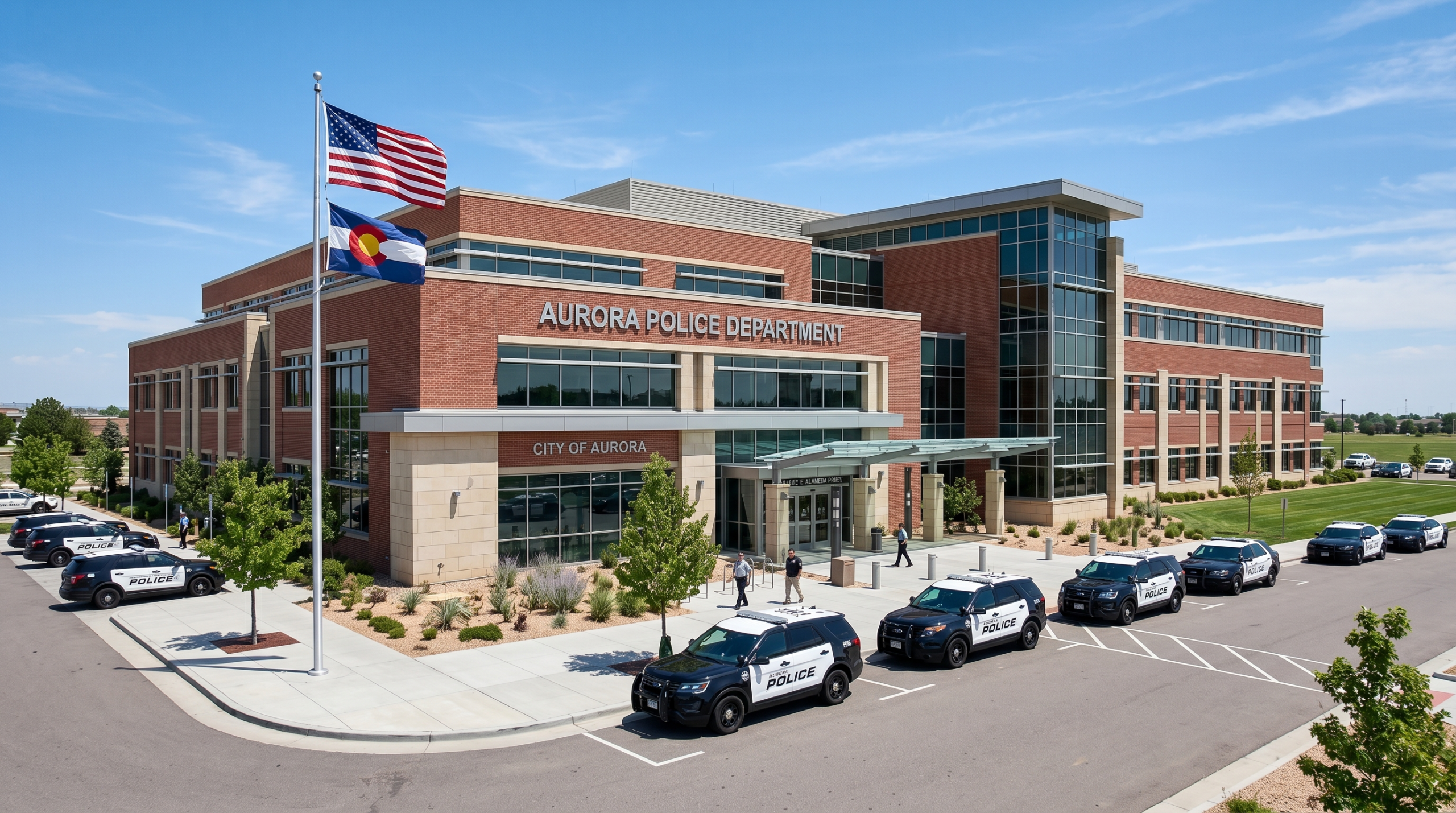
The family of Kilyn Lewis, an unarmed Black man fatally shot by Aurora police in 2024, has initiated a second legal action against the Colorado city, focusing on municipal liability for what they describe as systemic failures in officer training and departmental policies.
The 27-page complaint filed Friday alleges that Lewis’s death resulted directly from inadequate city protocols, insufficient officer training in de-escalation techniques, and failures in risk assessment procedures. The family maintains that specialized officers transformed what should have been a controlled apprehension into a fatal encounter within seconds.
According to the lawsuit, Aurora police had tracked Lewis for two days using undercover officers and drone surveillance before attempting to arrest him on attempted murder charges. The family’s legal team argues this surveillance period should have provided sufficient intelligence to determine Lewis was unarmed and develop a safer apprehension strategy.
The fatal encounter occurred in an apartment parking lot when Officer Michael Dieck led a team that surrounded Lewis immediately after he exited his vehicle. Court documents indicate officers issued conflicting commands, simultaneously ordering Lewis to get on the ground and show his hands. As Lewis began kneeling in apparent compliance, Dieck shot him in the abdomen just seven seconds after the initial contact. No warning was given before the officer fired.
City officials have stated that all investigatory bodies reviewing the incident determined the officer acted lawfully, noting that Dieck reportedly mistook Lewis’s cellphone for a firearm. However, the family’s attorneys argue this explanation highlights fundamental training deficiencies.
The lawsuit emphasizes that Dieck was the only officer equipped with a less-lethal weapon—a 40mm baton launcher—but chose to switch to his firearm before approaching Lewis, eliminating de-escalation options. The plaintiffs contend adequate time existed for officers to issue clear, non-conflicting commands and employ alternative tactics.
This legal action occurs against the backdrop of Aurora Police Department’s ongoing consent decree with the Colorado attorney general, implemented in 2021 after state investigations revealed patterns of racial profiling and excessive force. The Colorado Department of Law found that Aurora police used force against people of color at nearly 2.5 times the rate of white individuals, with Black residents experiencing force in nearly half of all incidents despite comprising only 15% of the city’s population.
The consent decree mandated improvements in policies and training to reduce force incidents, ensure legal compliance, and foster continuous improvement. While an independent monitor acknowledged progress in October, Lewis’s family argues the 2024 shooting demonstrates persistent systemic issues.
The lawsuit identifies specific policy failures, including protocols allowing SWAT teams to execute warrants from outside jurisdictions without adequate planning, tactics that escalate encounters through overwhelming force displays, procedures permitting deadly force without reasonable warning, and guidelines that allow officers to bypass less-lethal options during planned arrests.
Three primary claims form the basis of the municipal liability lawsuit: unconstitutional policies and customs, failure to adequately train and supervise officers, and ratification of improper conduct by final policymakers. The family previously filed a separate federal lawsuit in May 2025 alleging excessive force and constitutional violations, which remains pending.
The case raises broader questions about police reform effectiveness and accountability measures in departments operating under consent decrees. Legal experts note that municipal liability claims require demonstrating that constitutional violations resulted from official policies or widespread practices rather than isolated incidents.
The Aurora Police Department’s challenges with use of force incidents have drawn sustained scrutiny, particularly regarding interactions with communities of color. The Lewis case represents another flashpoint in ongoing debates about police training, tactical decision-making, and accountability structures in law enforcement agencies attempting reform.
Leave a Reply