
Two Cleveland Guardians pitchers facing federal charges related to an alleged pitch-fixing scheme have requested that a judge dismiss the wire fraud conspiracy count against them, arguing that prosecutors have failed to establish the necessary elements for such a charge.
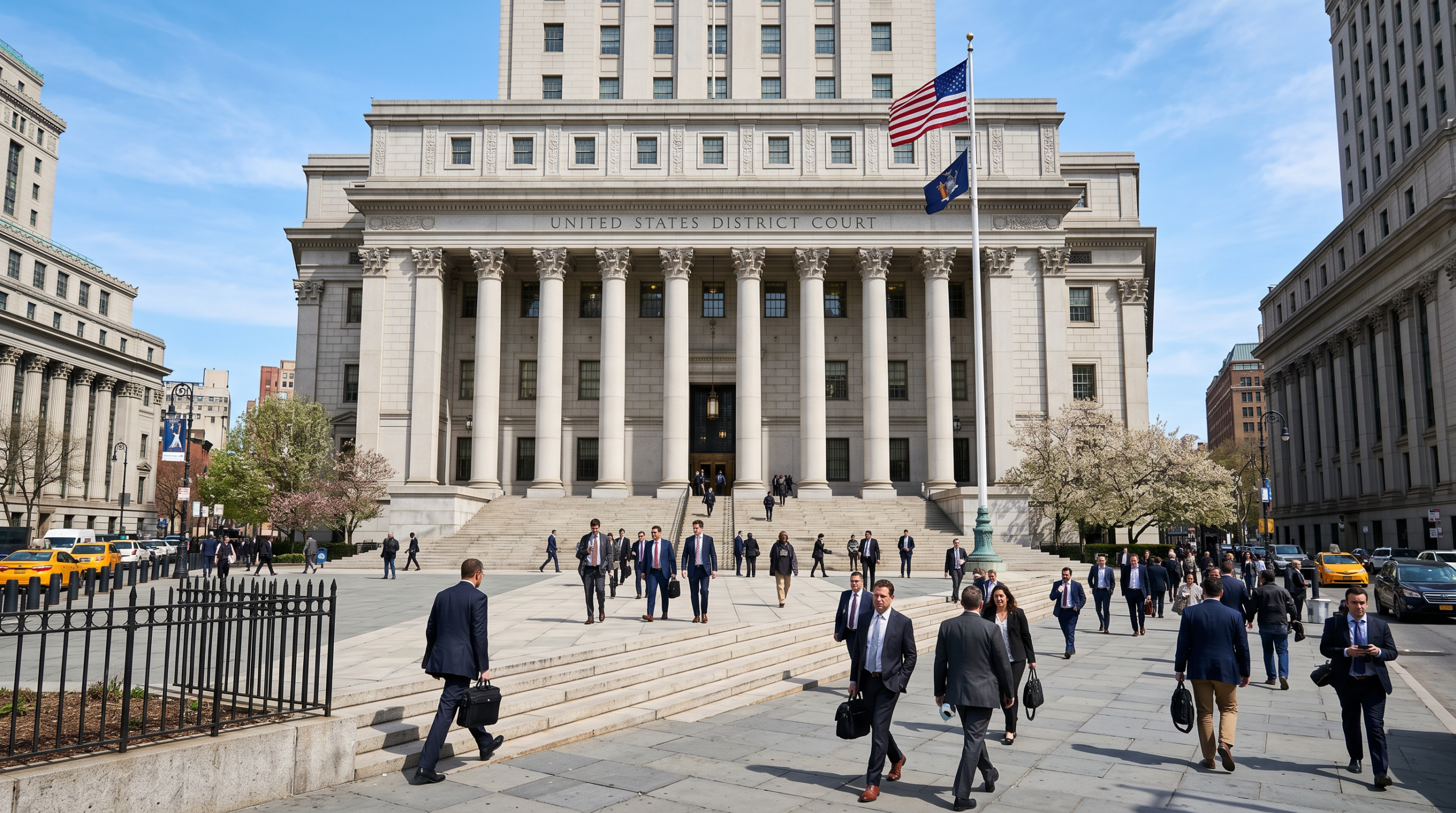
Emmanuel Clase, 28, and Luis Ortiz, 27, filed motions in federal court in Brooklyn challenging the first count of their indictment. The players maintain that the government has not demonstrated the essential components required for a wire fraud charge, which include a scheme to defraud, money or property as the scheme’s objective, and the use of interstate wires.
According to prosecutors, the pitchers allegedly provided advance information to gamblers about their intended pitching patterns during specific games. This information supposedly enabled bettors to place strategic wagers on proposition bets related to pitch outcomes, resulting in approximately $500,000 in winnings from what authorities describe as fraudulent betting activity.
The alleged scheme reportedly began in 2023, with prosecutors claiming that Clase participated in manipulating proposition bets concerning the types of pitches he would throw. In certain instances, authorities allege he deliberately threw pitches into the dirt while associates placed bets predicting he would throw balls rather than strikes. Ortiz allegedly joined the operation during the summer of 2025, with both pitchers accused of coordinating to throw balls instead of strikes during two games in June 2025.
Clase’s legal team, led by attorney Michael Ferrara from the Columbus-based firm Dinsmore & Shohl, argues that the three-time All-Star pitcher is not accused of placing any wagers himself but merely of sharing information with others who then used it for betting purposes. The defense contends that prosecutors have not identified any instance where the bettors made false statements to betting platforms.
The defense motion suggests that the government is essentially alleging a conspiracy to violate betting platforms’ internal rules rather than federal law. The filing references legal precedent stating that simply failing to comply with private rules does not constitute fraudulent omission, arguing that non-compliance with certain regulations alone does not amount to fraud.
Furthermore, the defense team asserts that the government is attempting to elevate what they characterize as violations of state-regulated sportsbook rules into federal wire fraud conspiracy charges, potentially disrupting established federal policy regarding sports wagering.
Ortiz filed a motion joining Clase’s arguments, stating that the same legal theories and reasoning apply equally to his case.
The players face multiple federal charges beyond the wire fraud conspiracy count they seek to dismiss. The complete indictment includes honest services wire fraud conspiracy, which carries a potential 20-year prison sentence, conspiracy to influence sporting contests through bribery with a maximum five-year sentence, and money laundering conspiracy, also carrying up to 20 years imprisonment. The wire fraud conspiracy charge itself could result in a maximum 20-year prison term if convicted.
Both players entered not guilty pleas and were released on substantial bail packages – $600,000 for Clase and $500,000 for Ortiz. U.S. Magistrate Judge Joseph Marutollo ordered both defendants to wear GPS monitoring devices as a condition of their release.
A superseding indictment filed in February expanded the case to include additional defendants. Robinson Vasquez, identified as a close associate of Clase, was charged alongside another individual whose name remains sealed in court documents. These co-conspirators allegedly placed the actual bets on the predetermined pitch outcomes through online sportsbooks.
The case represents a significant test of federal authority in prosecuting alleged sports corruption involving legal sports betting platforms. The defense’s arguments raise questions about the boundary between violating private betting platform rules and committing federal crimes.
The trial is currently scheduled to begin on November 2, where the court will determine whether the government’s case meets the legal threshold for federal wire fraud charges or if the alleged conduct falls outside federal jurisdiction.
Leave a Reply