
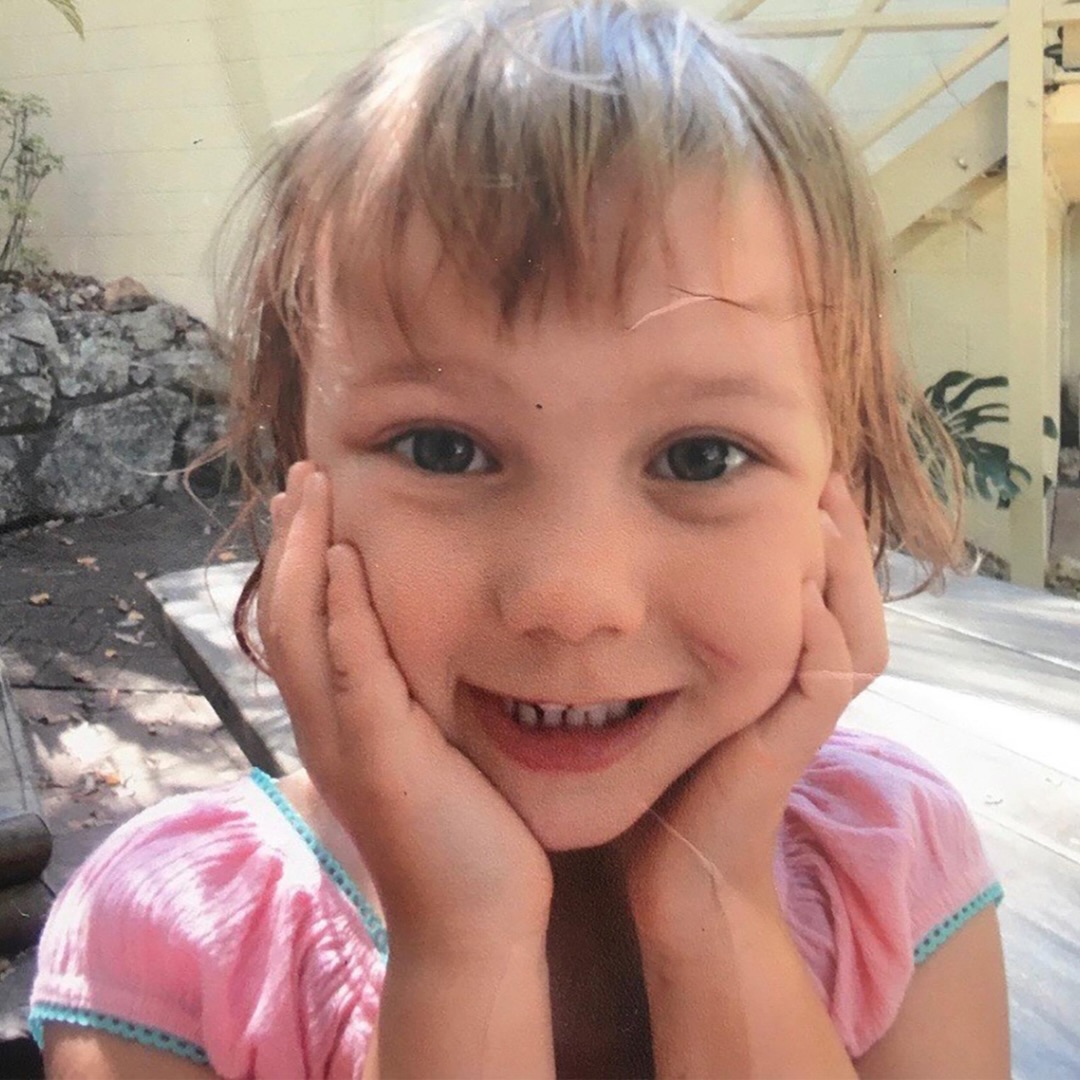
In 2020, the death of 10-year-old Bridgette “Biddy” Porter near Orange, New South Wales, became one of the most confronting cases in Australia, not only for what happened, but for what followed afterward.
Biddy was staying in the area during her school holidays when she was killed on the morning of July 8, 2020, at approximately 6:30 a.m.
Known for her curiosity and love of learning, she had decorated her room with photographs of journalists, believing that telling the truth about the world was a meaningful purpose in life.
Two hours after the incident, a teenager known to her was located about 8.9 kilometres away at a nearby property. Authorities reported the individual appeared calm and admitted responsibility, acknowledging the act was wrong.
In 2021, the NSW Supreme Court found the teenager guilty of m*rder but determined they were not criminally responsible due to mental illness. As a result, no traditional prison sentence was imposed.
The case drew further attention when, less than three years later, the individual was granted supervised access to public places, including areas where children may be present. The Porter family formally objected to this decision.
Due to legal protections, Biddy’s identity could not be publicly shared without family consent, while the identity of the offender was also protected. For years, this meant the victim remained unnamed in public discussions.
Her parents later spoke about the impact of these restrictions, describing how their daughter’s story felt unheard.
On July 8, 2024, four years after her death, Biddy’s parents gave consent for her name to be released publicly.
The case led to widespread public response, including a petition with over 40,000 signatures, a parliamentary debate in October 2024, and the passage of the Mental Health Legislation Amendment Bill 2024 in February 2025.
A coronial inquest is expected to take place in mid-2026.
The case continues to raise complex questions about justice, mental health, and how systems respond to both victims and offenders.
Leave a Reply