
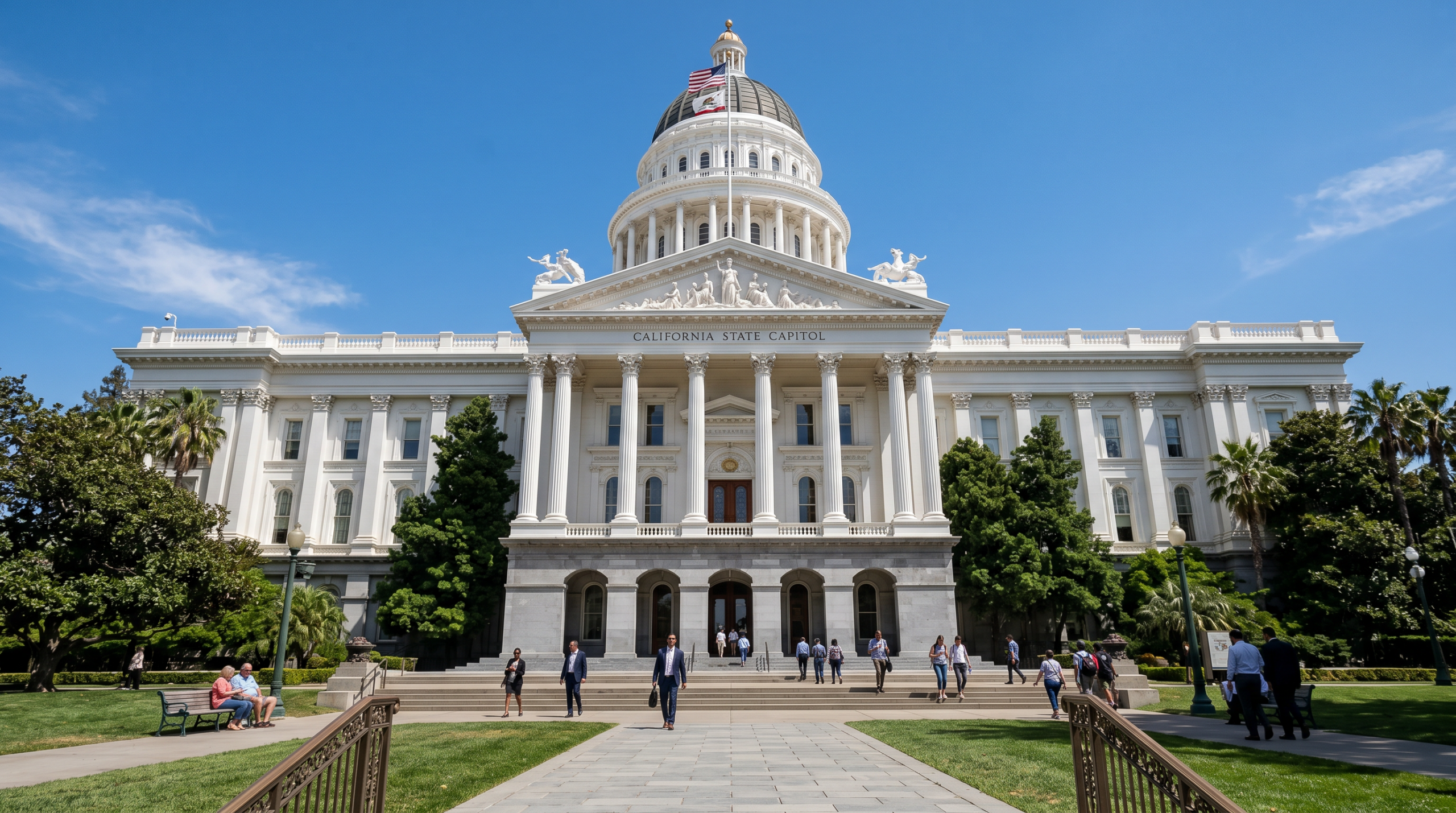
California lawmakers have taken a significant step toward restricting social media access for minors, with the state Assembly passing legislation that would prohibit platforms using addictive features from allowing children under 16 to create accounts.
Assembly Bill 1709, authored by Assemblymember Josh Lowenthal, a Democrat representing Long Beach, received unanimous support in a 72-0 vote on Thursday. The measure now advances to the state Senate for consideration.
The proposed law specifically targets social media platforms that employ features designed to maximize user engagement, including autoplay functions, continuous notifications, and algorithm-driven content feeds. Under the legislation, these platforms would be required to implement reasonable methods to prevent users younger than 16 from accessing or creating accounts on their services.
In addition to the age restrictions, the bill establishes an e-Safety Advisory Commission that would operate under the state attorney general’s office. This commission would provide guidance on implementing and enforcing the new regulations while producing annual reports for lawmakers that include recommendations for potential legislative adjustments.
During floor debate, Lowenthal emphasized that the legislation focuses on the addictive design features of social media platforms rather than restricting speech or content. He argued that no other industry is permitted to create addictive products specifically targeting children without facing accountability.
“We are not prohibiting children from accessing social media,” Lowenthal stated during the Assembly session. “We are prohibiting social media from accessing our children.”
The bill garnered notable bipartisan support, with several lawmakers framing their backing in terms of parental concern rather than partisan politics. Assemblymember Carl DeMaio, a Republican from San Diego known for typically opposing regulatory measures, voiced his support for the legislation. DeMaio drew parallels to existing age restrictions on alcohol, tobacco, and gambling, arguing that government intervention in social media access for minors is similarly justified.
Assemblymember Rebecca Bauer-Kahan, a Democrat from Orinda who has previously sponsored social media legislation, declared that California was taking a stand against companies that continue to push harmful content to young users. “There actually is something that brings Republicans and Democrats together today, and it’s our kids,” she noted.
The legislation comes amid growing concerns about the impact of social media on youth mental health. Lowenthal has cited research linking excessive social media use to increasing rates of anxiety, depression, and low self-esteem among young people. According to statistics presented during the debate, the average child in California spends approximately five hours daily on social media platforms.
Assemblymember David Tangipa, a Republican from Clovis, revealed that he initially opposed the bill in committee due to concerns about government overreach. However, after a recent conversation with Lowenthal about the measure’s intent and scope, Tangipa changed his position and supported the legislation.
The Assembly also passed related legislation on Thursday, including Assembly Bill 2727, authored by Assemblymember Stephanie Nguyen from Elk Grove. This separate measure modifies the state’s elderly parole program, requiring individuals convicted of certain sex crimes to serve a minimum of 25 years and reach age 65 before qualifying for the program, compared to the current requirements of 20 years and age 50.
As the social media legislation moves to the Senate, it represents one of the most comprehensive attempts by a state to regulate minors’ access to social media platforms through legislative action rather than relying solely on platform self-regulation or parental controls.
Leave a Reply