
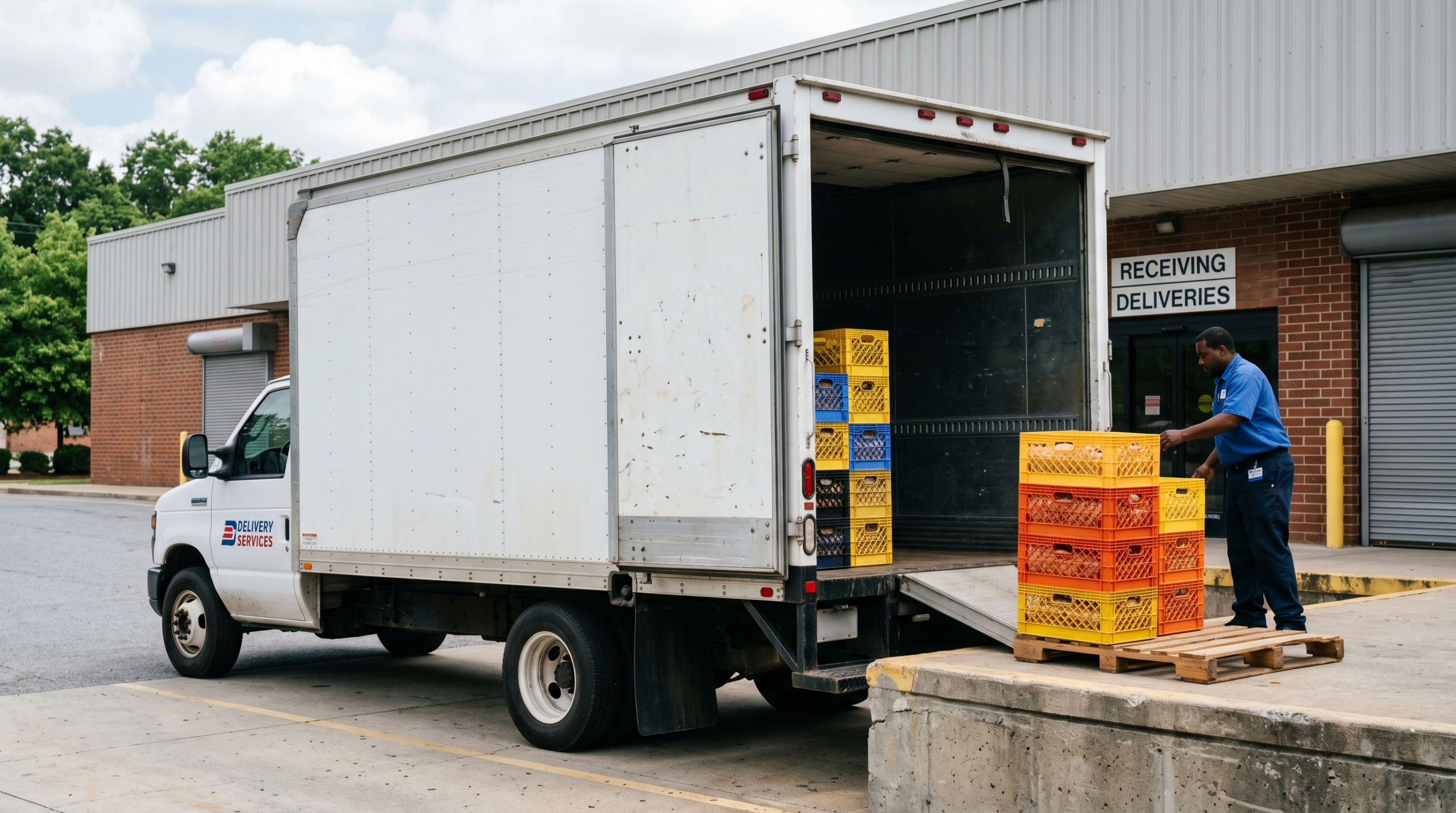
A delivery driver has secured a significant legal victory at the United States Supreme Court, winning the right to pursue his employment dispute in court rather than through mandatory arbitration. The unanimous decision, delivered on Thursday, establishes that workers can qualify for arbitration exemptions even when their deliveries remain entirely within a single state.
The case centered on Angelo Brock, a driver who delivered baked goods for Flowers Foods, the company behind Wonder Bread. Brock filed a lawsuit claiming that the company had misclassified drivers as independent distributors to circumvent minimum wage requirements and employment tax obligations. He maintained that drivers should be recognized as employees, which would require Flowers Foods to comply with various state employment regulations.
When Brock initiated his lawsuit, Flowers Foods attempted to compel arbitration based on the distributor agreement he had signed. The Federal Arbitration Act generally requires enforcement of arbitration clauses in employment contracts, but it includes exemptions for certain categories of workers, including seamen, railroad employees, and workers engaged in foreign or interstate commerce.
Despite conducting deliveries exclusively within state boundaries, Brock argued he qualified for the interstate commerce exemption because he handled goods on the final portions of interstate journeys. Lower courts sided with Brock’s interpretation, determining that he belonged to a class of workers who transport goods on the concluding segments of interstate commerce.
Justice Neil Gorsuch, writing for the court, explained that workers can participate in continuous interstate journeys without physically crossing state lines or directly handling vehicles that do. The justice noted that while a continuous carriage might begin in one state and conclude in another, substantial portions of the journey can occur within a single state’s boundaries.
This ruling represents the fourth occasion since 2019 that the Supreme Court has addressed the scope of arbitration exemptions under the Federal Arbitration Act. Previous decisions have progressively expanded the categories of workers eligible for these exemptions, including independent contractors, airline workers who load and unload cargo without crossing state lines, and transportation workers who play essential roles in cross-border goods movement.
During oral arguments in March, Flowers Foods cautioned that affirming the lower court’s decision could create widespread disruption, potentially exempting numerous workers from arbitration agreements, including delivery drivers for major e-commerce companies and ride-sharing services. The company advocated for a clear rule requiring workers to either cross state lines themselves or interact with vehicles that do to qualify for the exemption.
The Supreme Court rejected this proposed bright-line rule. Justice Gorsuch emphasized that the statutory language cannot support such a restrictive interpretation, regardless of other potential limitations that might exist within the law.
Jennifer Bennett, an attorney with Gupta Wessler representing Brock, highlighted the broader implications of the decision for the delivery industry. She emphasized that last-mile delivery drivers, including those working for major logistics companies, are fundamental to the national economy, ensuring packages reach consumers and products arrive at retail locations.
The unanimous nature of the ruling underscores the court’s agreement that transportation workers deserve access to traditional court proceedings when challenging their employment classification, even when their direct activities remain geographically limited. This decision potentially affects thousands of delivery drivers nationwide who may now have enhanced opportunities to challenge their employment status through the court system rather than private arbitration.
Leave a Reply