
The United States government has taken an unprecedented step by designating Brazil’s two most powerful criminal organizations as foreign terrorist organizations, a classification that will take effect on June 5, 2026. The First Capital Command (Primeiro Comando da Capital – PCC) and the Red Command (Comando Vermelho – CV) represent the first Brazilian groups to receive this designation, joining 15 other Latin American organizations from various countries including Mexico, Ecuador, Haiti, Colombia, Venezuela, and Central America.
The PCC, Brazil’s largest and most sophisticated criminal network, has minimal documented activity within US borders but conducts substantial money laundering operations through American financial institutions. The Red Command maintains no confirmed direct presence in the United States, though it maintains connections through weapons trafficking networks that flow from America to Brazil.
Security experts and crime analysts note that both organizations operate primarily as profit-driven enterprises rather than ideologically motivated groups. While they employ symbolic imagery and enforce strict internal codes to maintain and expand their territorial control, their fundamental focus remains economic gain through drug trafficking and various illegal markets.
The PCC emerged in 1993 within São Paulo’s Taubaté prison, initially formed as a response to the 1992 Carandiru prison massacre where Brazilian security forces killed over 100 inmates. What began as an organization advocating for prisoners’ rights and improved detention conditions gradually transformed into a sophisticated criminal enterprise. The group capitalized on Brazil’s overcrowded and understaffed prison system, using these facilities as recruitment centers and operational bases for rapid nationwide expansion.
The organization gained national prominence through coordinated prison rebellions and attacks, particularly in 2001 and 2006, when simultaneous uprisings demonstrated the Brazilian government’s limited control over its correctional facilities. Throughout the 2010s, the PCC evolved into a transnational criminal force, establishing drug trafficking routes through Paraguay and Bolivia, developing relationships with international crime syndicates including Italian organized crime groups, and creating complex money laundering systems.
The Red Command, Brazil’s oldest criminal organization, originated in the 1970s within Rio de Janeiro’s Candido Mendes prison during the country’s military dictatorship period. The group formed when imprisoned criminals and leftist political detainees created alliances to survive harsh detention conditions. Initially called the Red Phalanx, the organization gradually abandoned its political origins to focus on criminal activities including robbery, extortion, and drug trafficking.
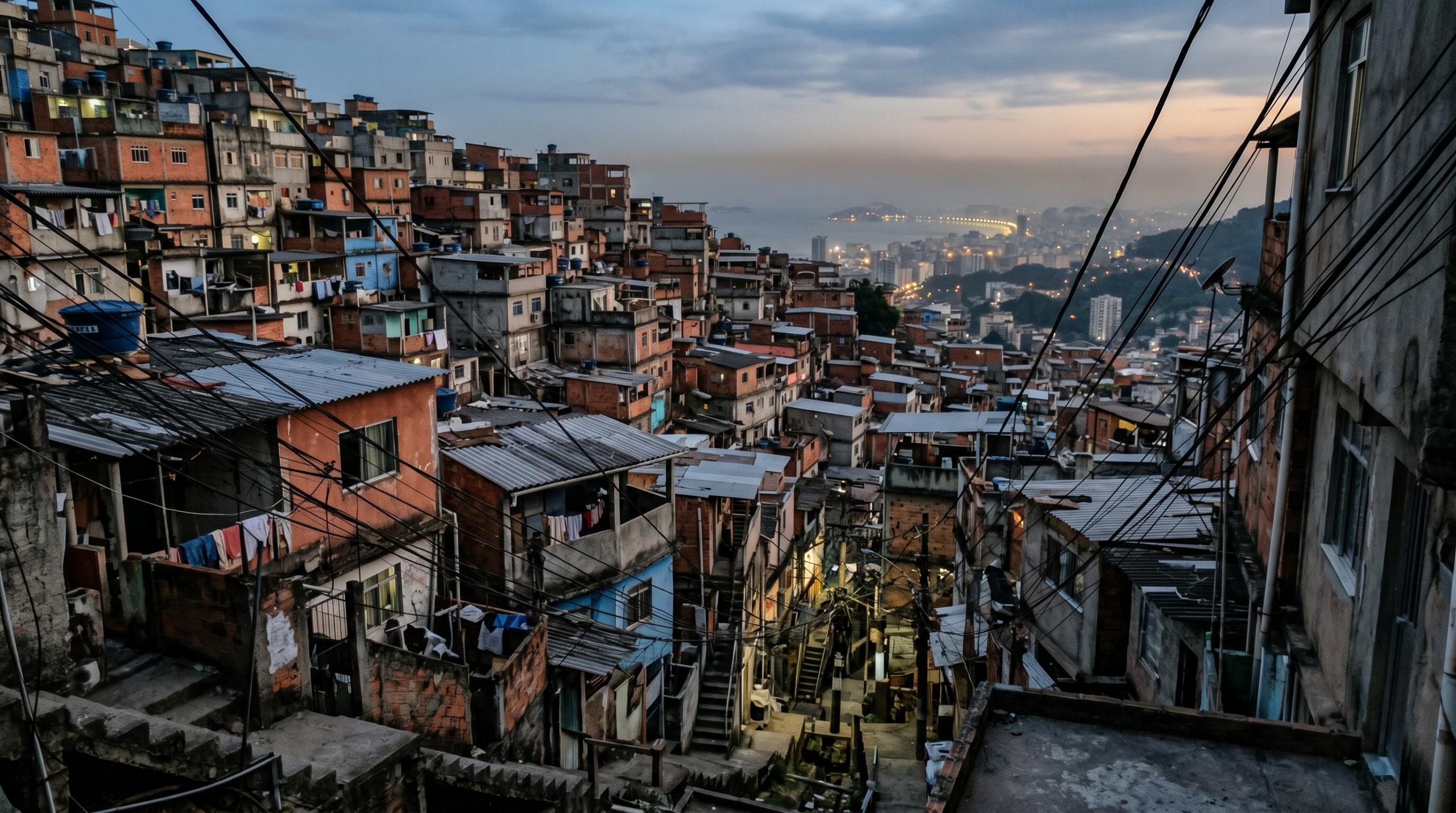
During the 1980s cocaine boom across South America, the Red Command expanded rapidly by establishing connections with Colombian trafficking organizations. The group became a major cocaine distributor in Brazil and consolidated control over numerous Rio de Janeiro favelas, where it established parallel governance structures, providing employment and enforcing local rules in areas neglected by state authorities.
The two organizations differ significantly in their operational structures. The PCC functions through a decentralized network with specialized divisions called sintonias, led by Marcos Willians Herbas Camacho, known as Marcola, and a senior leadership council. This administrative superstructure has enabled the organization to survive arrests and government crackdowns. The Red Command operates through a looser franchise system of local factions and allied groups, relying heavily on territorial control and direct confrontation with security forces.
Their rivalry intensified after their alliance collapsed in 2016, triggering widespread violence across Brazil. Both organizations continue expanding their influence throughout Latin America, with operations extending into Bolivia, Paraguay, and the Amazon basin region. Despite facing pressure from authorities and rival groups, both organizations maintain substantial power and influence in Brazil’s criminal landscape.
Leave a Reply