
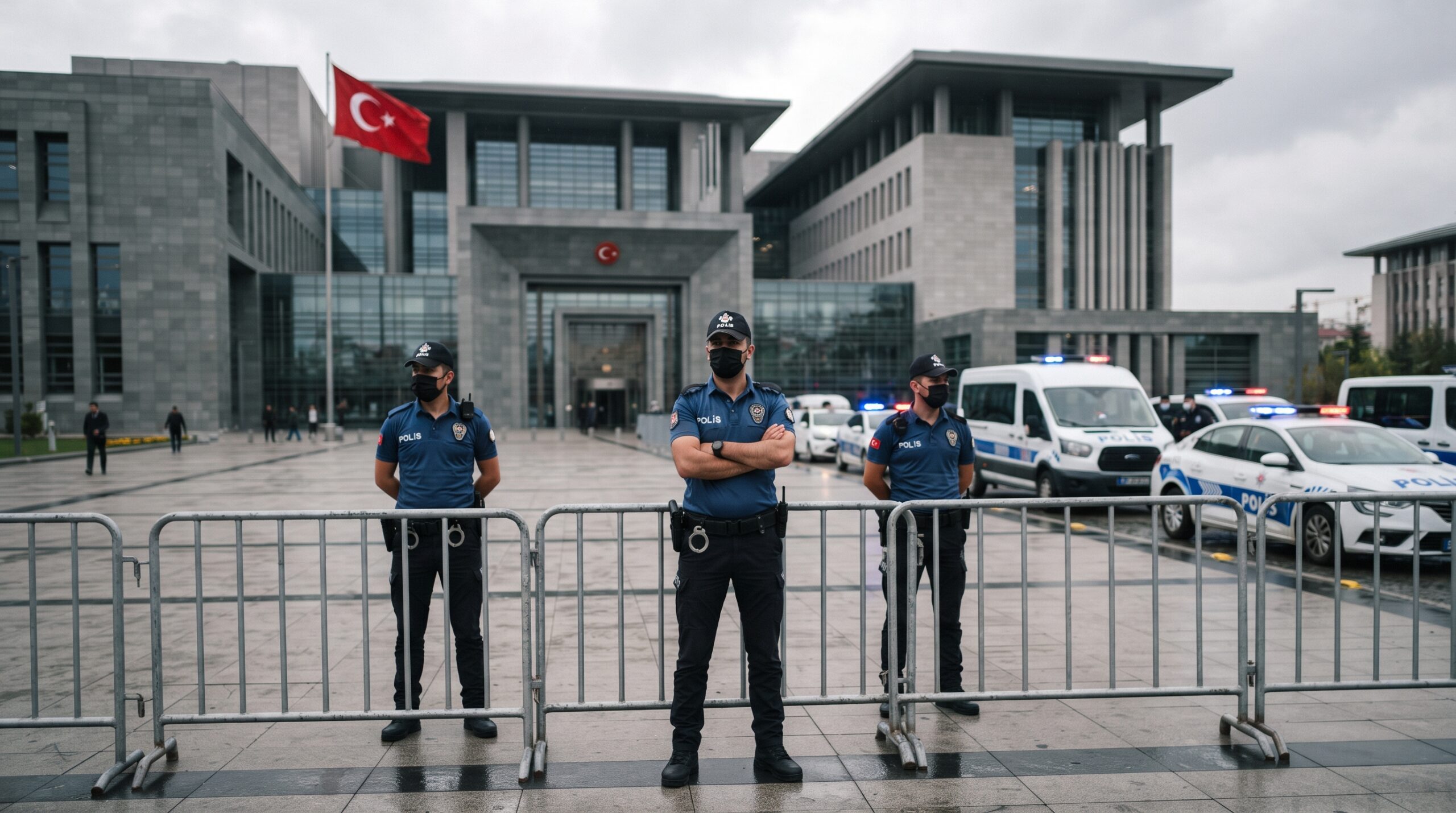
Turkish authorities have conducted widespread arrests of opposition figures, journalists, and activists in the weeks preceding a significant NATO summit in Ankara. The detentions, which have affected more than 300 individuals according to human rights organizations, have raised concerns about the state of civil liberties in the country.
The arrests have targeted a diverse group including political activists, environmental advocates, journalists, lawyers, and members of various opposition movements. Security forces carried out raids in multiple cities including Istanbul and Ankara, often conducting operations during early morning hours at private residences.
Government officials have justified the operations by claiming those detained have connections to organizations designated as terrorist groups, including the Revolutionary People’s Liberation Party/Front and other banned entities. However, critics argue the arrests represent a broader pattern of suppressing dissent.
The timing of these detentions coincides with preparations for the NATO gathering at the presidential palace in Ankara, marking only the second time the country has hosted such a summit since 2004. The meeting brings together alliance members for high-level defense discussions at a critical time for European security.
Among those detained was Yıldız Tar, known for advocacy work, along with numerous other civil society representatives. The Communist Party reported that approximately 145 of its supporters were arrested during demonstrations against the NATO meeting. Authorities implemented strict security measures and prohibited protests in the vicinity of the summit venue.
The arrests extend a pattern of pressure on opposition groups that has intensified in recent months. In March 2025, Istanbul’s mayor Ekrem İmamoğlu, a prominent opposition figure, was arrested on disputed charges and remains in custody after 470 days. Multiple other opposition mayors and officials have faced similar detention.
The main opposition Republican People’s Party has experienced significant disruption, with a court ruling in May nullifying its 2023 internal elections and ordering leadership changes. The decision removed Özgür Özel from his position as party leader and mandated that his predecessor Kemal Kılıçdaroğlu return to the role, creating organizational turmoil.
International human rights organizations have expressed alarm at these developments. Observers note that the arrests demonstrate concerning trends for democratic participation and freedom of expression. Press freedom advocates have particularly highlighted the detention of journalists as part of what they describe as arbitrary operations.
The summit itself proceeded under heavy security, with discussions focusing on defense cooperation and military capabilities. The gathering highlighted the strategic importance of Turkey within the alliance, given its substantial military forces and geographic position.
Despite the internal political tensions, Western governments have remained largely silent about the arrests, a stance analysts attribute to Turkey’s crucial role in regional security arrangements. The country has been a NATO member since 1952 and maintains the alliance’s second-largest military force.
The recent detentions have not sparked the same level of sustained public demonstrations seen following previous high-profile arrests, though opposition groups continue to voice their objections through available channels. Political observers suggest this indicates both ongoing resistance to government actions and the challenges facing opposition movements in mobilizing large-scale protests.
Leave a Reply