
The journey of fentanyl from Mexican ports to American streets involves a sophisticated network of criminal actors operating at different levels of the supply chain, creating an intricate ecosystem that shapes the synthetic opioid trade between the two nations.
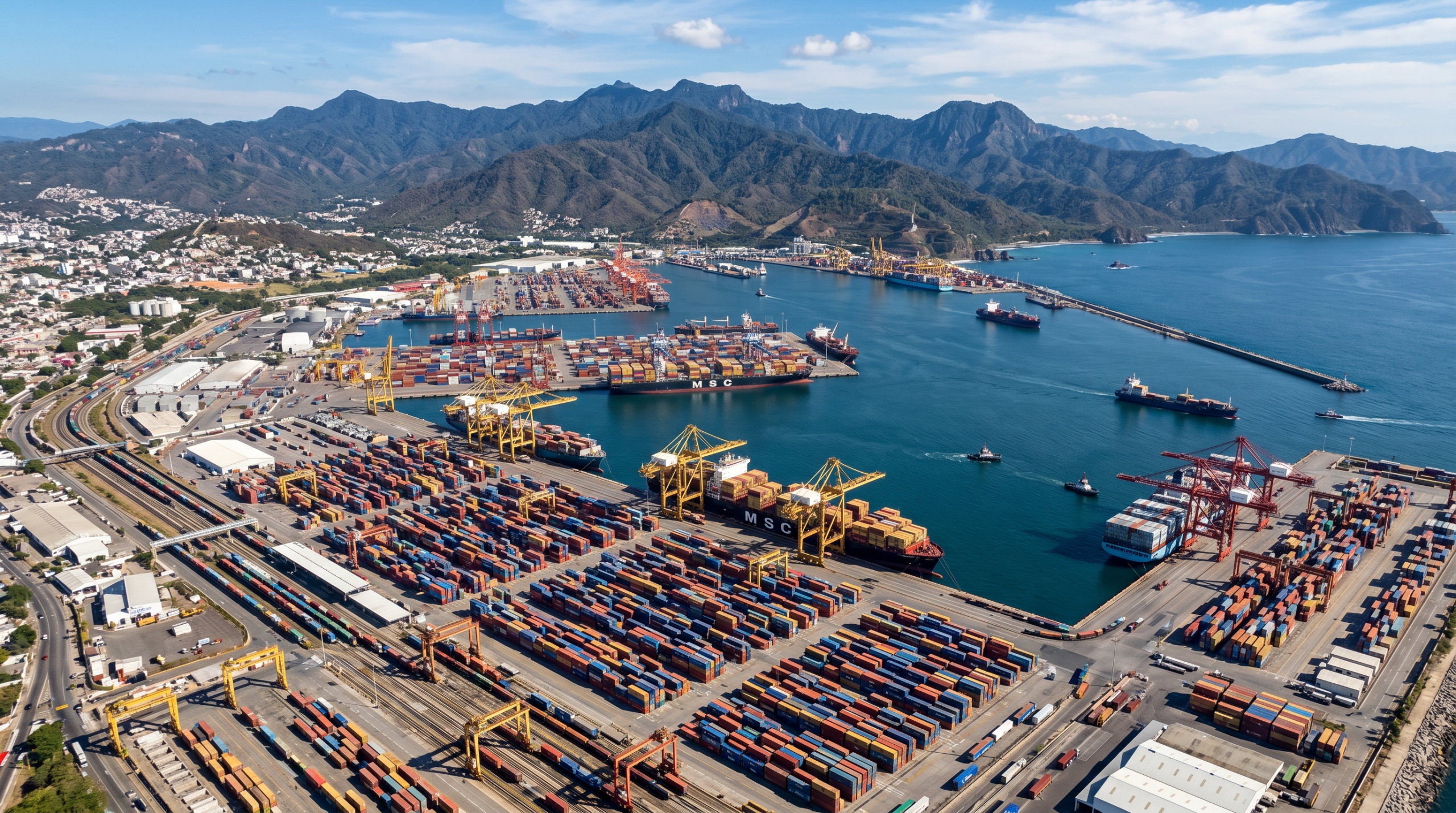
The process begins at Mexico’s Pacific ports, where precursor chemicals arrive from overseas suppliers. These chemical compounds serve as the foundation for fentanyl production, entering the country through established maritime routes. From these coastal entry points, the materials move inland to clandestine laboratories where the actual manufacturing takes place.
Independent producers operating these hidden facilities transform the precursor chemicals into fentanyl using specialized equipment and knowledge. These manufacturers work outside traditional cartel structures in many cases, though they often maintain business relationships with larger trafficking organizations. The production sites are strategically located to minimize detection while maintaining access to transportation networks.
Once manufactured, the synthetic opioid enters a complex distribution system. Trafficking networks, including established cartels like the Sinaloa organization, control major corridors that run from production areas to the United States border. These groups coordinate the movement of large shipments, utilizing various transportation methods and routes to avoid law enforcement detection.
The trafficking corridors span across northern Mexico, creating multiple pathways for the drug to reach border crossing points. Each corridor represents a carefully managed route with its own security protocols, transportation infrastructure, and operational procedures. Criminal organizations maintain strict control over these routes, often engaging in violent conflicts to protect their territorial interests.
At the local level, smaller gangs play crucial roles in the final stages of distribution. These groups handle street-level sales in Mexican border cities where retail markets have developed. They also facilitate the cross-border movement of smaller quantities, working with counterparts on the American side to ensure successful delivery.
The entire system operates through a series of interconnected decisions made by various actors. Suppliers determine which ports to use and how to ship precursor chemicals. Producers decide where to establish laboratories and how much fentanyl to manufacture. Trafficking organizations choose routes, transportation methods, and timing for shipments. Local distributors set prices and manage retail operations.
This multi-layered structure creates resilience in the fentanyl trade. When law enforcement disrupts one element, other parts of the network can adapt and continue operations. The decentralized nature of production and distribution makes it challenging for authorities to completely dismantle the trade.
The geographic spread of operations extends from Mexico’s western coastline through multiple states to reach various points along the nearly 2,000-mile border with the United States. Major crossing points have become focal areas for both trafficking and retail sales, with criminal groups establishing sophisticated operations to move product across the international boundary.
The development of domestic consumption markets in Mexican border cities represents a significant evolution in the fentanyl trade. Previously focused primarily on transshipment to the United States, these areas now support local drug markets that serve Mexican consumers, adding another dimension to the trafficking ecosystem.
This complex criminal infrastructure continues to evolve as different actors adapt to law enforcement pressure, market demands, and competitive dynamics within the illicit drug trade.
Leave a Reply