
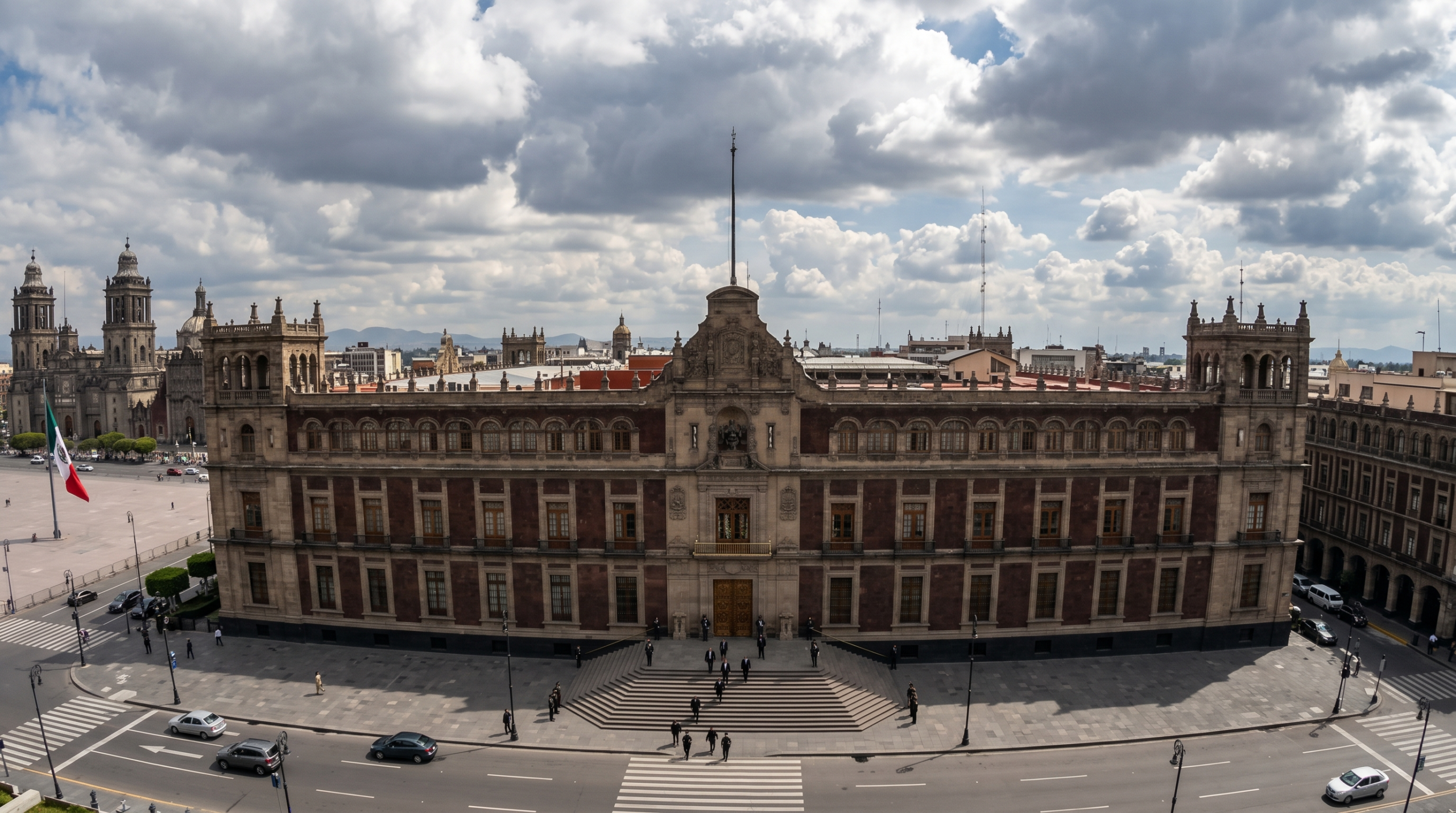
Mexican authorities have initiated legal proceedings involving several current and former government officials, including Sinaloa state Governor Rubén Rocha Moya, following allegations of connections with organized crime groups. The Attorney General’s Office has called these officials to provide testimony regarding claims of collaboration with a major faction of the Sinaloa criminal organization.
The development comes amid allegations from United States prosecutors that certain Mexican officials received support during the 2021 electoral campaign in exchange for providing protection to criminal enterprises. Governor Rocha Moya, who assumed office following that election, is among those named in the investigation. The situation presents a significant challenge for Mexico’s judicial system and has potential implications for international cooperation on security matters.
Meanwhile, Honduras is experiencing an alarming increase in mass violence incidents. A recent attack on an agricultural facility in the northern region resulted in nineteen fatalities, marking the latest in a disturbing pattern of violence that has claimed at least forty-seven lives across eleven separate incidents this year. The attack occurred at an African palm cultivation site, highlighting the vulnerability of rural communities to organized violence.
Law enforcement officials in Honduras suggest these incidents may stem from territorial conflicts between competing criminal organizations. The surge in violence extends beyond mass casualty events, with authorities reporting increases in kidnappings and forced disappearances. These developments occur despite the implementation of emergency security measures intended to curb criminal activity.
In the Pacific Ocean, United States military forces conducted two additional operations earlier this week, resulting in three fatalities. These actions represent a continuation of an expanded enforcement strategy that began in September 2025. Military officials report conducting approximately sixty similar operations over the past nine months, with total casualties approaching two hundred individuals.
The operations, targeting vessels suspected of transporting illegal substances, mark a significant escalation in enforcement tactics in international waters. The frequency of these interventions has increased substantially since the initial operation nine months ago, establishing what appears to be a new operational standard for maritime interdiction efforts.
The situation in Mexico raises questions about the integrity of electoral processes and the influence of criminal organizations on democratic institutions. The testimony proceedings will likely scrutinize the relationship between elected officials and organized crime groups, potentially revealing the extent of criminal infiltration in government structures.
Honduras faces its own governance challenges as authorities struggle to contain escalating violence despite extraordinary security measures. The concentration of mass casualty events suggests organized criminal groups are becoming increasingly bold in their territorial disputes, with civilian populations bearing the consequences of these conflicts.
The maritime enforcement operations in the Pacific represent a controversial approach to combating transnational crime. Critics have raised concerns about the use of military force in law enforcement contexts, while supporters argue such measures are necessary to disrupt criminal supply chains.
These developments underscore the complex security challenges facing the region, from institutional corruption and electoral manipulation to territorial violence and maritime trafficking. The interconnected nature of these issues highlights the need for comprehensive approaches to addressing organized crime’s impact on governance, public safety, and international relations.
Leave a Reply