
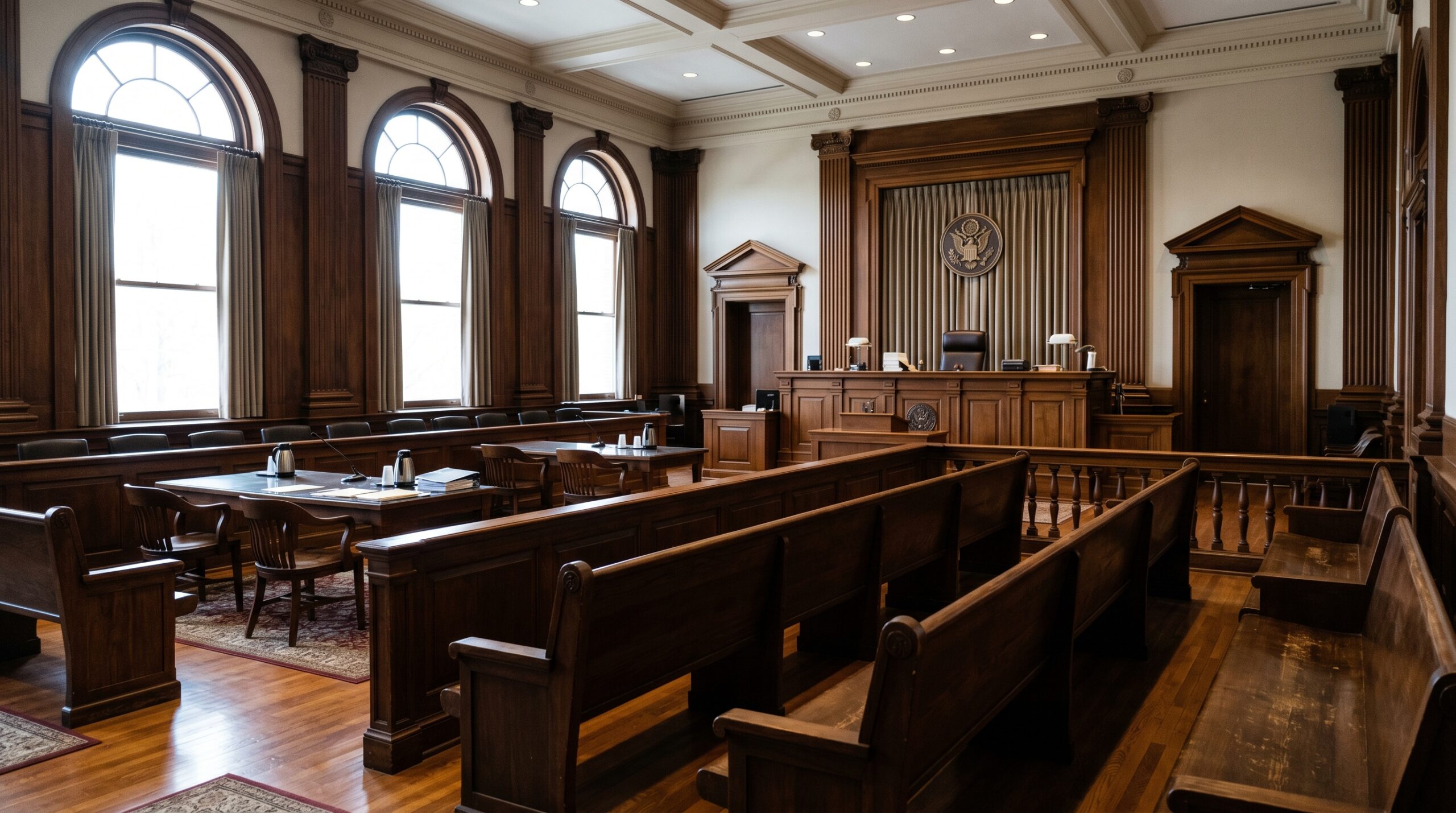
Several major technology platforms have initiated legal proceedings to prevent the implementation of a California statute that would restrict minors’ access to personalized content feeds on social media platforms. The companies argue that the legislation infringes upon their constitutional rights to curate and present content.
The law in question, Senate Bill 976, also known as the Protecting Our Kids from Social Media Addiction Act, would prohibit platforms from providing algorithmically personalized content feeds to users under 18 years of age. TikTok, Meta Platforms, Google, and its subsidiary YouTube have filed federal civil cases seeking a preliminary injunction against the measure.
During Wednesday’s hearing in San Jose, attorney Elizabeth Prelogar, representing YouTube and formerly serving as solicitor general under the Biden administration, argued that the algorithms and human decisions involved in content recommendation constitute protected editorial judgment. She emphasized that personalized feeds serve an important function in delivering age-appropriate content to younger users.
“Humans have a tight, close connection and link to how the outputs match up with the inputs and the system is functioning to match the editorial goals,” Prelogar stated during the proceedings. She maintained that personalized recommendations help platforms understand whether users are teenagers or children under 13, enabling them to suggest suitable content.
U.S. District Judge Edward Davila, appointed by Barack Obama, expressed concerns about artificial intelligence’s role in generating recommendations and potentially exposing minors to inappropriate material. The judge questioned at what point machine learning systems operate independently of human oversight in content curation.
California Deputy Attorney General Shiwon Choe countered the platforms’ arguments, asserting that algorithms operate without genuine understanding of the content they select, prioritizing engagement metrics that translate to increased advertising revenue. Choe cited an incident involving a minor who lost consciousness attempting a dangerous “blackout challenge” that appeared in her recommended videos.
The state’s representative argued that the pursuit of engagement through personalization, regardless of content quality, contributes to various harms including sleep deprivation, reduced academic attention, and other mental health impacts among young users. Choe characterized the algorithmic process as “number crunching based on millions of datapoints” operating without meaningful human intervention.
Meta attorney Mark Mosier joined Prelogar in requesting that the court apply strict scrutiny in evaluating the balance between First Amendment protections and potential harms to minors. The platforms suggested that less restrictive alternatives exist, including enhanced parental controls and platform modifications.
The technology companies’ legal strategy draws significantly from the 2024 Supreme Court decision in Moody v. NetChoice LLC, which established First Amendment protections for platforms’ content moderation decisions. NetChoice, an internet trade association whose membership includes these social media companies, had previously attempted to challenge the California law in 2024, though the Ninth Circuit determined the organization lacked standing to contest the personalized feed provisions.
Prelogar disputed characterizations of algorithms as unpredictable “black boxes,” stating it is “simply incorrect to say it is wholly inexplicable and beyond human comprehension.” She argued that engineers and decision-makers maintain continuous involvement in the feed curation process.
Judge Davila indicated he would review additional briefing before issuing a decision, taking the matter under submission without immediate ruling. The outcome of this case could significantly impact how social media platforms operate for millions of young users in California and potentially influence similar legislation in other states.
Leave a Reply