
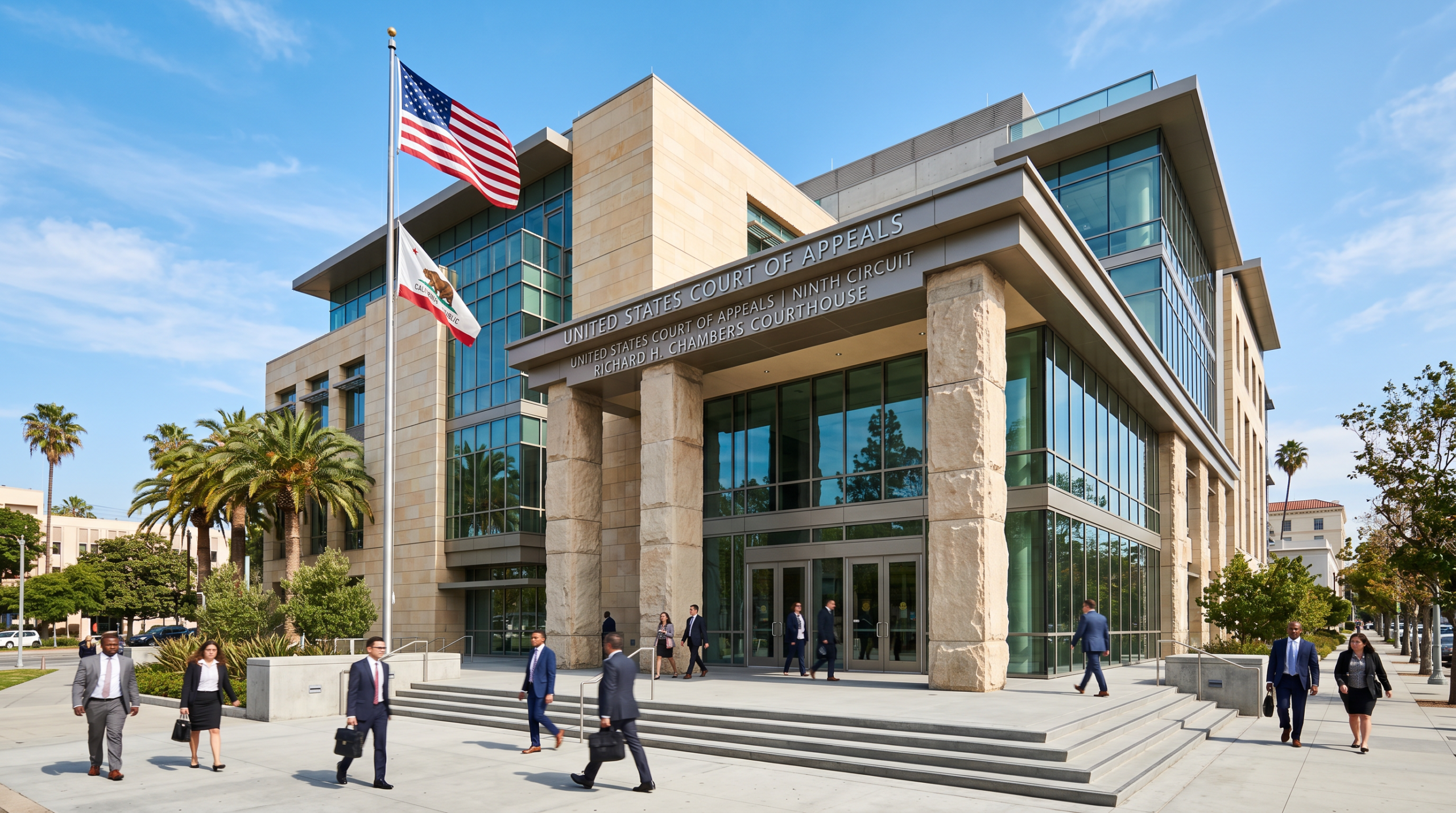
A federal appeals court in Pasadena heard arguments Wednesday in a case involving allegations that the Los Angeles Unified School District has permitted discriminatory teaching materials to enter classrooms through unofficial channels.
The Concerned Jewish Parents and Teachers of Los Angeles, an advocacy group, is seeking to revive their lawsuit after a lower court dismissed it for lack of standing. The organization claims that certain ethnic studies materials contain content that creates a hostile environment for Jewish students and staff in the district’s schools.
During oral arguments before a three-judge panel of the Ninth Circuit Court of Appeals, attorney Jeremy Rosen argued that his clients should be permitted to amend their complaint to include more specific examples of harm. He told the court that incidents of bullying have increased since their previous filing and that a Jewish teacher was allegedly excluded from a meeting where the contested materials were discussed.
The panel appeared receptive to giving the plaintiffs another opportunity to establish standing. Judge Patrick Bumatay noted that courts typically allow amendments unless doing so would be futile, observing that the allegations of bullying suggested the case might have merit. Judge Kenneth Kiyul Lee similarly indicated that the plaintiffs deserved another chance to address deficiencies in their complaint.
The lawsuit centers on teaching materials produced by the Liberated Ethnic Studies Model Curriculum Consortium, a nonprofit contractor. The plaintiffs allege these materials contain inflammatory characterizations of Israel and Zionism. However, the school district has not officially adopted this curriculum, though the plaintiffs claim at least two teachers have used it in their classrooms.
District Judge Fernando Olguin had dismissed the case in 2024, ruling that the plaintiffs failed to demonstrate concrete harm. He noted that disagreement with teaching materials or fear of their potential adoption did not constitute sufficient injury for federal court jurisdiction.
The appeals court also questioned a $600,000 attorney fee award granted to the defendants under California’s anti-SLAPP statute. Judge Lee expressed concern about applying state law fee provisions in federal court, suggesting the financial penalty was disproportionate to the statute’s original intent. Judge Jennifer Sung raised jurisdictional questions about whether the lower court could award fees after finding the plaintiffs lacked standing.
Jacob Loup, representing the curriculum consortium, urged the court to uphold the dismissal. He argued that the plaintiffs presented only generalized grievances rather than specific, particularized injuries required for federal court standing. He emphasized that the plaintiffs had not alleged the materials were actually being taught in their children’s classrooms or schools.
The case highlights ongoing tensions over ethnic studies curricula in California schools and raises questions about when parents and educators have sufficient legal standing to challenge teaching materials they find objectionable. The panel did not indicate when it would issue its ruling.
The outcome could have implications for similar challenges to school curricula and for the application of state anti-SLAPP statutes in federal court proceedings.
Leave a Reply