
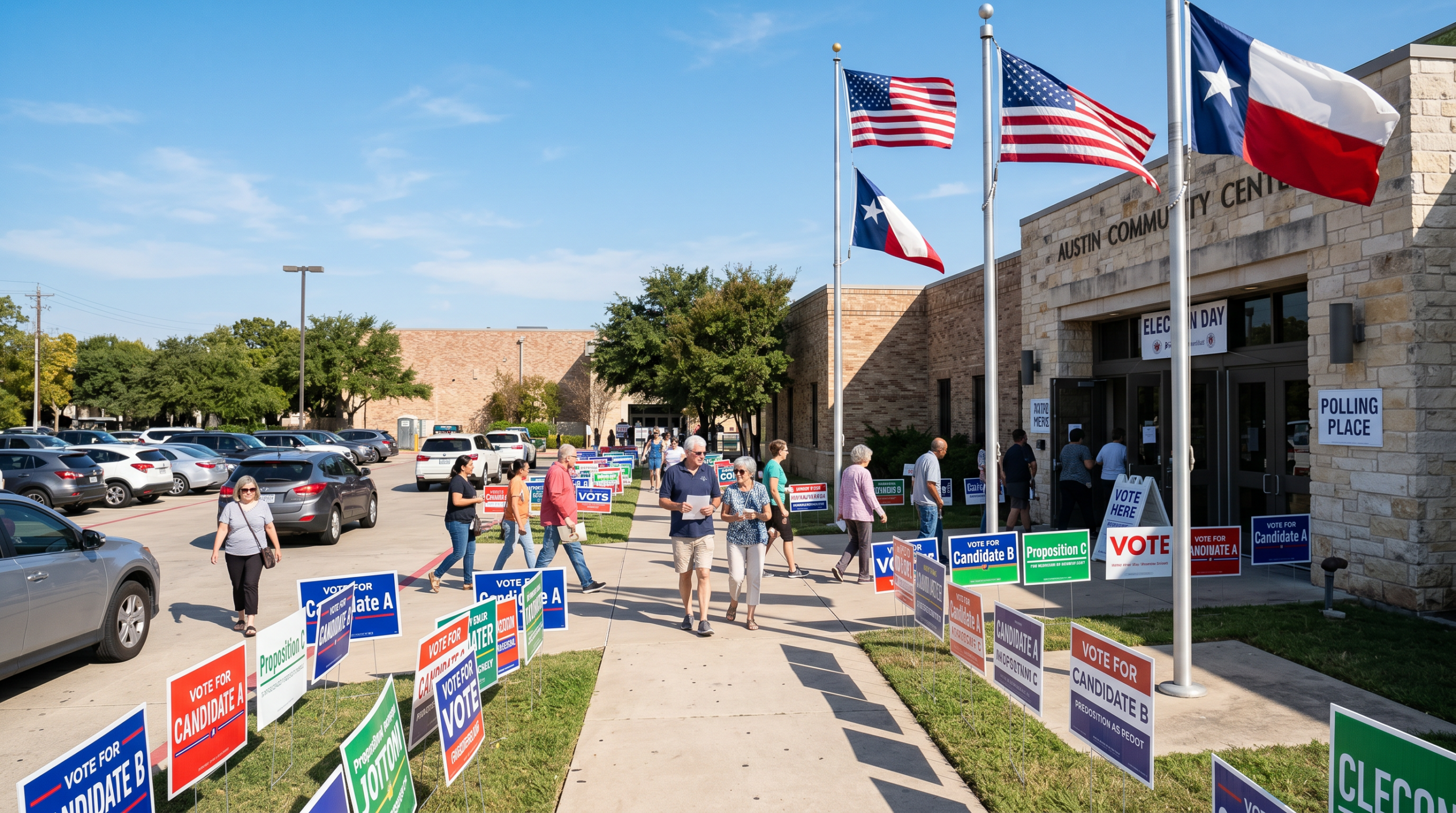
Texas voters are preparing to return to polling stations on May 26 for significant runoff elections that will shape both Republican and Democratic representation heading into the November general elections. The contests reveal contrasting strategies between the two parties as they navigate historically low runoff turnout rates.
The Republican Party’s Senate primary runoff has emerged as the most closely watched race, pitting a four-term incumbent senator against the state’s attorney general. This high-stakes contest has drawn national attention and a last-minute presidential endorsement that could prove decisive in mobilizing conservative voters.
Political analysts observe that Republicans are counting on this marquee Senate race to drive statewide turnout, which could influence down-ballot contests including congressional seats and state positions like Railroad Commissioner. The incumbent senator, who has served since 2002, represents traditional conservative governance with a record of opposing healthcare reform and supporting national security policies during previous administrations.
His challenger, who assumed the attorney general role in January 2015, has positioned himself as an uncompromising conservative who has led numerous multi-state legal challenges against federal policies on issues ranging from healthcare to voting rights. The attorney general’s campaign received a significant boost from a high-profile presidential endorsement, though he continues to face a substantial spending disadvantage, with his opponent’s campaign outspending him by a four-to-one margin since March.
Recent polling from Texas Southern University’s Barbara Jordan Public Policy Research and Survey Center shows both Republican candidates polling competitively against their Democratic opponent in hypothetical November matchups, with each trailing by single digits.
Democrats face different dynamics without a major statewide runoff to drive turnout. Instead, they are focusing on competitive congressional district races that have been reshaped by recent redistricting. Two notable contests have emerged in heavily Democratic districts where redistricting has forced incumbent representatives to compete against each other.
In Houston’s 18th District, a 78-year-old veteran progressive congressman faces a 37-year-old former county attorney. Recent polling from the University of Houston shows the younger candidate leading by seven percentage points. Meanwhile, in Dallas’s newly configured 33rd District, a former NFL player turned civil rights attorney who previously served three terms in Congress is competing against the first openly LGBTQ+ congresswoman from a southern state. The former congressman holds an eleven-point primary advantage and a significant fundraising edge.
These redistricting-induced matchups reflect broader changes following recent Supreme Court decisions that have allowed states to modify majority-minority districts. The outcomes will determine which Democratic voices represent these safe seats in Congress.
Political science experts suggest the results will send important signals about voter sentiment heading into November. A defeat for the incumbent senator would indicate potential vulnerability for established politicians nationwide, while victory would suggest limits to endorsement influence in primary contests.
Early voting data indicates lower than expected turnout for both parties compared to the initial primary elections in March, despite Democrats achieving record early voting numbers earlier in the year. This turnout challenge reflects a persistent pattern in runoff elections, where voter participation typically drops significantly from initial primaries.
The contrasting approaches between parties—Republicans relying on top-of-ticket races to drive turnout versus Democrats banking on local enthusiasm in specific congressional districts—will test different theories of voter mobilization in low-turnout elections.
Leave a Reply